Waynesboro, VA · Waynesboro City
HVAC Leak Water Removal in Waynesboro, VADuctwork Condensation Water Removal & HVAC Drain Line Flood Cleanup
HVAC Leak Water Removal in Waynesboro covers HVAC cabinet water extraction, emergency HVAC leak cleanup, and wet insulation removal near HVAC.
Answered 24/7
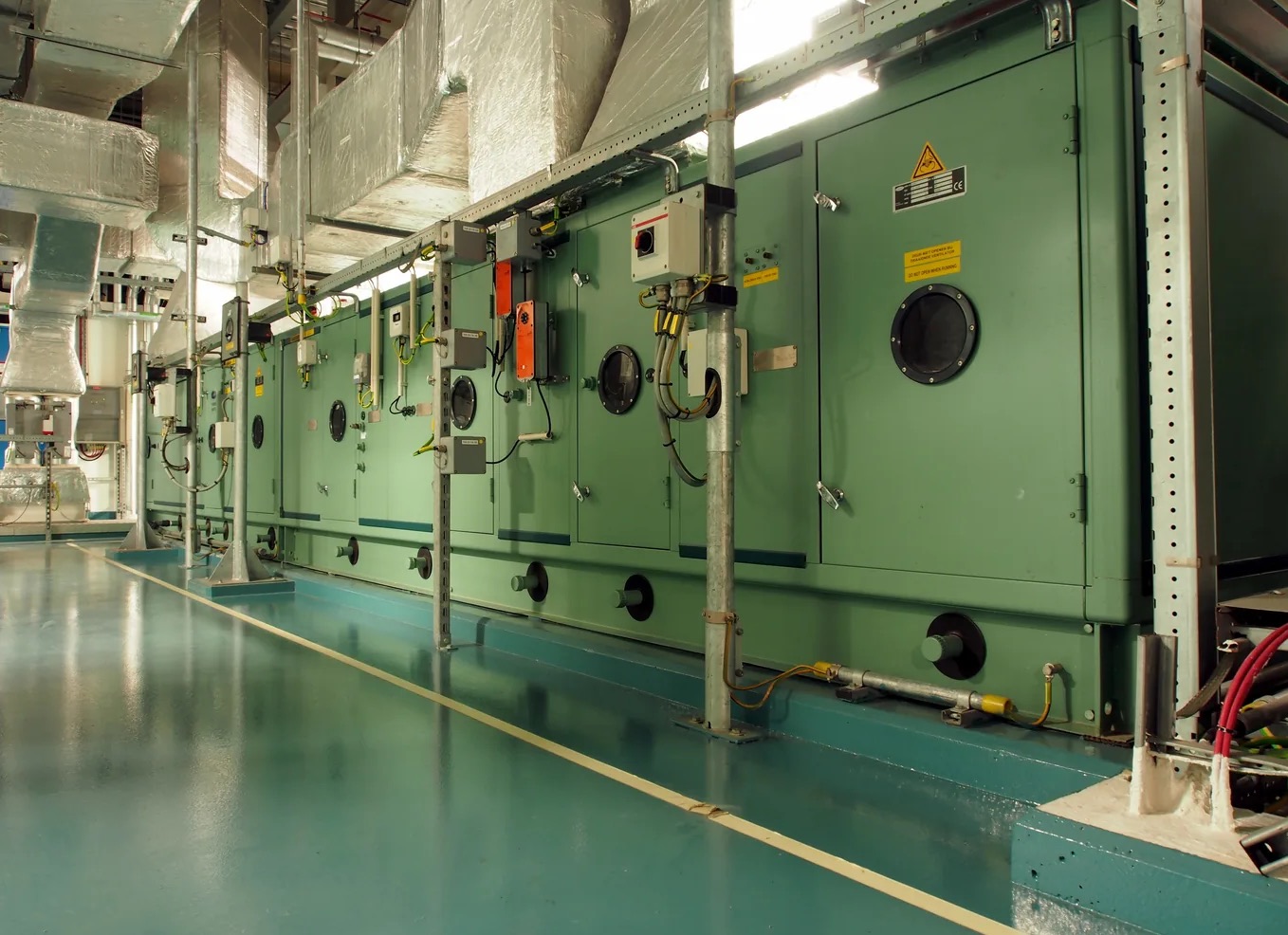
Expert HVAC Leak Water Removal in Waynesboro VA
A leaking AC unit in Waynesboro can fill the air handler cabinet and spill onto the floor around it. Water near wiring is a shock risk, so the power should be off before anyone works there.
When an HVAC leak occurs in Waynesboro, water needs to come out quickly to protect interior finishes and electrical systems. Local water removal pros serve this community and nearby areas like Afton, Fishersville and Stuarts Draft, extracting water around the unit and drying wet ductwork before damage spreads.
Complete HVAC Leak Water Removal Services for Waynesboro
Ductwork Condensation Water Removal
Wet, sagging insulation around ducts signals a condensation problem. Cleanup involves water extraction and drying of duct surfaces and insulation.
HVAC Drain Line Flood Cleanup
A broken drain line can flood a mechanical room or closet. The water is contained and extracted before it reaches flooring and equipment nearby.
Coil Leak Water Damage Repair
A coil that has leaked for weeks often leaves wet framing and flooring around the unit. The pros remove the water and dry those materials, while an HVAC contractor fixes the coil.
HVAC Cabinet Water Extraction
A leak from a coil or connection fills the air handler cabinet bottom. Extraction experts remove this water to prevent mold inside ducts.
AC Condensate Leak Water Removal
An overflowing secondary pan from a blocked drain line creates a steady leak. The experts remove the water to protect the HVAC cabinet and subfloor.
Signs You Require HVAC Leak Water Removal in Waynesboro
Stained Ceilings or Walls Near Vents
Stains on drywall or ceilings around supply vents often trace back to ducts that are sweating or leaking.
High Indoor Humidity Levels
A home feeling persistently muggy can mean the HVAC system is not properly removing airborne moisture.
Wet or Sagging Insulation Nearby
Damp insulation around an attic unit or in nearby walls holds water against the drywall and framing.
Reduced Cooling or System Shutdown
An AC that shuts itself off may have a float switch that tripped because the drain pan is full of water.
How HVAC Leak Water Removal Works in Waynesboro
Step 1: Emergency Assessment and Water Extraction
The pros stop the water at the unit and extract the standing water from the cabinet, the closet floor and any wet carpet.
Step 2: System Inspection and Moisture Mapping
Moisture meters and thermal cameras show where water went, including wet insulation and duct sections, and the drying plan is built from that.
Step 3: Targeted Drying and Dehumidification
Air movers and dehumidifiers are placed to dry the walls, ceiling, floor and duct runs that got wet.
Step 4: Cleaning and Final Verification
Affected surfaces and HVAC components are cleaned. Final moisture readings confirm the area is dry.
Typical Reasons for HVAC Leak Water Removal in Waynesboro
Frozen Evaporator Coil Thawing
A coil freezing due to low refrigerant or airflow can release large volumes of water upon thawing.
High Static Pressure in Ducts
An oversized system or closed vents can upset airflow and drainage, so condensate does not drain as it should.
Refrigerant Leak at the Coil
A pinhole leak in the evaporator coil itself can allow refrigerant and moisture to escape simultaneously.
Cracked or Disconnected Drain Pan
A damaged or misaligned secondary drain pan beneath the evaporator coil fails to catch condensation overflow.
HVAC Leak Water Removal for All Properties in Waynesboro
Residential HVAC Leak Water Removal
In homes, water from a utility closet can reach hardwood floors, cabinets and stored items. The pros dry those materials and wet duct sections near the unit.
Commercial HVAC Leak Water Removal
In commercial buildings, mechanical rooms and the spaces under them are checked for water and dried, with readings recorded for the building manager.
HVAC Leak Water Removal: DIY or Call Water Damage Pros in Waynesboro
If a condensate pump is involved, check that it is plugged in and listen for operation. Ensure the discharge tube is not kinked. Do not disassemble the pump. For a leaking AC unit repair involving the coil or refrigerant, specialized training is required.
Cost Insights for HVAC Leak Water Removal in Waynesboro
The pros in Waynesboro price the job based on how long the leak ran and how much it damaged. Wet ducts inside walls or ceilings take extra work to reach.
HVAC System Accessibility
Units in tight closets or attics take more labor to reach, clean around and dry.
Water Contamination Category
Clean condensate is simpler to handle than dirty overflow from a drain line, which needs extra cleaning.
Emergency Service Timing
HVAC leak cleanup started at night, on weekends or on holidays may be billed at a different rate.
Does Insurance Cover HVAC Leak Water Removal?
AC unit water damage coverage hinges on the leak source. Sudden failures like a burst drain line may be covered, while gradual neglect often is not. Homeowners should confirm specifics with their insurer.
Benefits of Local Pros for HVAC Leak Water Removal in Waynesboro
Focused on System Integrity
The goal is a dry unit area and dry materials around it, so the system can run safely again.
Containment and Air Filtration
The work area can be closed off so dust and moist air do not spread while wet materials are removed.
Precision Wet Insulation Removal
Wet insulation near the unit is removed so it does not hold water against framing and grow mold.
24-Hour Emergency HVAC Leak Water Removal in Waynesboro
A leaking AC unit can cause rapid electrical and structural damage. For immediate HVAC leak water removal in Waynesboro, contact the pros at (804) 531-4089.
Call Now (804) 531-4089HVAC Leak Water Removal Service Area Around Waynesboro
Emergency water removal around a flooded HVAC unit is available throughout Waynesboro and nearby communities, including Afton, Fishersville and Stuarts Draft. Quick action limits damage to sensitive components.
- HVAC Leak Water Removal in Afton
- HVAC Leak Water Removal in Fishersville
- HVAC Leak Water Removal in Stuarts Draft
- HVAC Leak Water Removal in Nellysford
- HVAC Leak Water Removal in Verona
- HVAC Leak Water Removal in Staunton
- HVAC Leak Water Removal in Crozet
- HVAC Leak Water Removal in Grottoes
- Emergency Damage Restoration in 22980
- Storm Damage Restoration in 22980
- Water Damage Restoration in 22980
- Water Extraction Service in 22980
- Water Leak Detection in 22980
- Water Removal Service in 22980
HVAC Leak Water Removal FAQ for Waynesboro Homeowners
What causes an HVAC drain line to flood?
Algae, sludge or debris clog the condensate drain and the pan overflows. A disconnected or cracked drain line can also send water onto the floor.
After HVAC system water cleanup, what repairs are needed?
Beyond drying, repairs might include unclogging or replacing a drain line, replacing wet insulation, and servicing the HVAC unit.
How is moisture removed from HVAC ductwork?
Air movers and dehumidifiers dry the area around the ducts. Duct sections or lining that stayed wet may need cleaning or replacing by an HVAC contractor.
Can I run my AC after a condensation leak?
No. Running the system while it leaks can spread water further and cause electrical shorts.
Can wet insulation near HVAC be saved?
Often, yes. Wet insulation loses its value and is hard to dry in tight spaces, so it is usually removed and replaced once the area is dry.