Trusted by 155+ Homeowners
HVAC Leak Water Removal in Grottoes, VA
- Over 159 5-Star Reviews
- Free Estimates and Quotes
- 100% Satisfaction Guaranteed
- Child, Family & Pet Safe Steps
- 24-Hour Emergency Service
- Fully Licensed & Insured
Don’t Wait, Water From Your HVAC Can Cause Big Problems
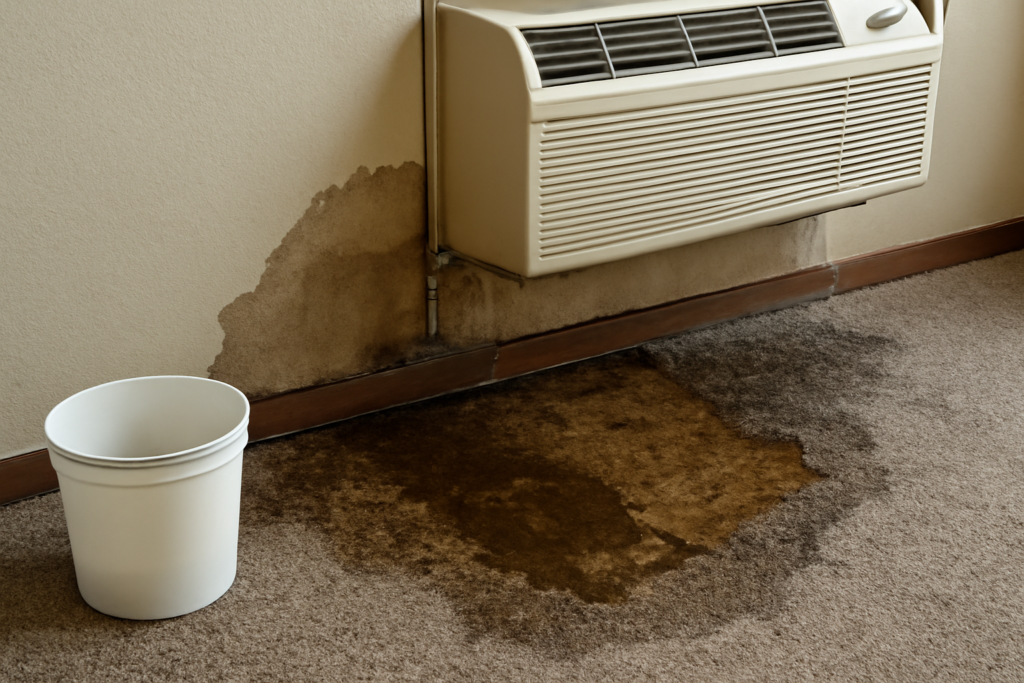
One of the biggest mistakes people make is ignoring a small leak from their HVAC system. It’s easy to think it’s not a big deal, but water from your air conditioner or heating unit can seep into walls, floors, and even your electrical system. You might not notice it right away, but it can lead to mold, structural damage, and even safety hazards. The faster you act, the better your chances of avoiding costly repairs and keeping your home safe. Don’t let a small issue turn into a major problem. Get help before it’s too late. Call now and stop the spread of water.
Local homeowners trust our team for HVAC Leak Water Removal because we understand the urgency and complexity of this type of damage. With 165+ five-star reviews, we’ve helped thousands of families in Grottoes, VA and the surrounding area. Our technicians are IICRC certified and trained to handle every detail of the process. We know what it takes to restore your home quickly and effectively. You don’t have to face this alone, we’re here to help.
- Fast response times mean less damage and lower costs. We’ll be at your door within 60 minutes of your call.
- Professional equipment removes water and dries out your home efficiently. No guesswork, just proven results.
- Clear communication keeps you informed every step of the way. We don’t hide details, we explain what’s happening and why.
How This Service Actually Works
When you call for HVAC Leak Water Removal, our team moves quickly to stop the damage from spreading. We use specialized tools to locate the source of the leak and begin extracting the water immediately. The first 24 hours are critical, delays can lead to mold growth, warped materials, and even electrical risks. A proper process ensures your home is restored safely and efficiently. Cutting corners can make the problem worse and cost you more in the long run. That’s why we follow a strict, step-by-step approach every time.
Step 1: Locate the Source of the Leak
Our technicians start by identifying where the water is coming from. This could be a clogged condensate drain, a faulty pump, or a damaged coil. We use moisture meters and thermal imaging to find the exact location. The faster we find the source, the sooner we can stop the damage. This step takes about 15-30 minutes and is crucial for preventing further issues. You don’t have to worry about us missing anything, we’re thorough and precise.
Step 2: Extract the Water
Once we know where the leak is, we start removing the water. We use powerful extractors to pull out standing water and wet materials. This step can take 1-2 hours depending on the size of the area. We focus on getting rid of all the moisture to prevent mold and structural damage. Our equipment is designed for this kind of work, it’s fast, effective, and built to handle even the toughest jobs. You can count on us to do the job right.
Step 3: Dry the Area
After the water is removed, we start drying the affected areas. We use industrial air movers and dehumidifiers to speed up the process. This usually takes 3-5 days, depending on the humidity and the type of materials. We monitor the moisture levels regularly to make sure everything is dry before moving on. This step is important to avoid long-term damage and keep your home healthy. We don’t leave until we’re confident everything is back to normal.
Step 4: Clean and Sanitize
Once the area is dry, we clean and sanitize all surfaces to remove any bacteria or mold spores. We use safe, effective products that won’t harm your home or your family. This step is especially important if the water was from a dirty source. We take the time to make sure everything is clean and safe. You don’t have to worry about hidden contaminants, we handle every detail with care. This is where we make sure your home is truly restored.
Step 5: Final Inspection and Restoration
Before we leave, we do a final inspection to check for any remaining moisture or issues. We make sure all materials are dry and that the HVAC system is working properly again. If needed, we’ll help you get your home back to its original condition. This step is a chance to address any lingering concerns and ensure everything is perfect. We don’t consider the job done until you’re satisfied. You’re not just getting a service, you’re getting a promise of quality and care.
Time is on your side, but only if you act fast. Don’t let a small leak turn into a big problem. Call our team today and get the help you need. We’re here to keep your home safe and your family comfortable. The sooner you reach out, the faster we can start fixing the issue. You’re not alone, we’re ready to help.

Warning Signs You Need HVAC Leak Water Removal
Recognizing the early signs of an HVAC leak can save you time, money, and stress. Water damage from your heating or cooling system can be sneaky, but there are clear indicators that something is wrong. If you see any of these signs, it’s time to take action. Ignoring them can lead to bigger problems that are harder and more expensive to fix. Don’t wait, the longer you wait, the more damage you could face.
Musty Odors That Won’t Go Away
A musty smell in your home, especially near vents or air registers, is a sign of hidden moisture. This is often caused by water leaking into the system and creating a breeding ground for mold. The smell might be faint at first, but it can grow stronger over time. You don’t want to ignore it, mold can affect your health and damage your home. If you notice this, it’s time to get help. Mold can spread quickly if left unchecked.
Damp Spots on Ceilings or Walls
If you see damp or wet areas on your ceilings or walls, especially near your HVAC unit, that’s a red flag. Water from your system can leak through the ceiling or into the walls, causing damage you might not see. These spots can be hard to spot at first, but they can lead to mold, warping, and even structural issues. Don’t wait for the problem to get worse, call for help as soon as you see any signs of moisture.
Unusual Noises From the HVAC Unit
Strange sounds from your HVAC system, like gurgling, dripping, or banging, can be a sign of water buildup. These noises might seem minor at first, but they can show a serious issue. Water inside the unit can cause electrical problems or damage the internal parts. It’s not something you want to ignore, the longer the issue goes on, the more expensive it can become. Listen closely and act fast.
Higher Than Normal Energy Bills
If your energy bills suddenly jump without a clear reason, it could be due to a water leak in your HVAC system. Water in the system can make it work harder to cool or heat your home, leading to higher usage. This is an easy sign to miss, but it’s a real indicator that something is wrong. You don’t have to accept higher costs, fixing the issue can save you money in the long run. Check your bills and see if there’s a pattern.
Water Pooling Around the HVAC Unit
If you see water pooling around your HVAC unit, that’s a clear sign of a leak. This can happen if the condensate drain is clogged or if the pump is not working properly. The water can damage the unit and even cause electrical problems. It’s important to address this right away to prevent further damage. Don’t let the water sit, it can lead to more serious issues very quickly. Check the area around your unit for any signs of moisture.
Visible Mold Growth Near Vents or Registers
Mold near your vents or air registers is a strong indicator of moisture in your HVAC system. This can happen when water leaks into the ducts or the unit itself. Mold can spread quickly and pose a health risk to your family. You don’t want to live in a home with mold, it can cause allergies and other issues. If you see any mold, it’s time to get help. Mold problems can be tough to fix if they’re not addressed early.
HVAC Leak Water Removal vs. DIY: When To Call a Professional
| Situation | DIY? | Call a Pro? | Why |
|---|---|---|---|
| Small puddle under the HVAC unit | Yes | No | It’s a sign of a bigger issue. A small leak can quickly become a major problem. |
| Water dripping from vents or registers | No | Yes | This is often a sign of internal moisture. It needs professional inspection. |
| Mold growing near the unit | No | Yes | Mold can be dangerous and hard to remove without the right tools. |
| Unusual noises from the HVAC system | No | Yes | This could mean water is inside the unit, causing damage. |
| Condensate drain is clogged | Yes | No | It’s a common issue, but if you’re not sure, it’s better to call a professional. |
| Water is pooling around the base of the unit | No | Yes | This can cause electrical damage and needs immediate attention. |
While some small issues can be handled on your own, HVAC leaks are often more complex than they appear. Water from your system can lead to serious problems that need professional help. Don’t risk your home or your health, call a team that understands what to look for. The right help can save you time, money, and stress in the long run.
HVAC Leak Water Removal Cost In Grottoes, VA
Costs for HVAC Leak Water Removal can vary based on the severity and size of the damage. Factors like how much water is involved, how long it’s been there, and the type of materials affected all play a role. These are general estimates and not guarantees. The actual cost will depend on an on-site assessment. We offer free estimates so you can plan accordingly. You don’t have to worry about hidden fees, we give you the full picture before starting any work.
| Service | Typical Price Range | What Affects Cost |
|---|---|---|
| Initial Inspection | $150 – $300 | Size of the area, complexity of the system, and presence of mold or debris. |
| Water Extraction | $200 – $600 | Amount of water, accessibility of the area, and need for specialized equipment. |
| Drying and Dehumidification | $400 – $1,200 | Humidity levels, type of materials, and time required to dry completely. |
| Sanitization and Mold Removal | $300 – $800 | Extent of mold growth, affected surfaces, and need for cleaning products. |
| Restoration and Repairs | $200 – $1,000 | Damage to walls, floors, or HVAC unit, and need for replacement or repairs. |
| Follow-Up Inspections | $100 – $250 | Moisture levels, air quality, and overall condition of the area after drying. |
Exact pricing will depend on an on-site assessment. We provide free estimates so you can understand the full cost before any work begins. You can count on us to be honest and transparent about the process. We don’t charge for initial consultations, we want to help you make the best decision for your home.
Service Areas Near Grottoes, VA
Grottoes, Lexington, Buchanan, Floyd, Galax, Dublin, Tazewell, Abingdon, Christiansburg, Radford, Roanoke, Salem, Staunton, Waynesboro, Lexington, Big Stone Gap, Blacksburg, Christiansburg, Radford, and Roanoke.
Common Questions About HVAC Leak Water Removal
How much does HVAC Leak Water Removal cost in Grottoes, VA?
The cost of HVAC Leak Water Removal can vary depending on the size and severity of the damage. Most jobs range from $500 to $2,500. The exact price will depend on factors like how much water is involved, where the leak is, and any more damage that needs to be addressed. We provide free estimates to help you understand the cost before we start any work. You don’t have to worry about hidden fees, we’re clear and honest about the process.
How long does it take to dry out my home after an HVAC leak?
It usually takes 3-5 days to dry out an area affected by an HVAC leak, depending on the humidity and the type of materials involved. We use industrial air movers and dehumidifiers to speed up the drying process. Our team monitors the moisture levels regularly to make sure everything is dry before moving on. You can count on us to do the job quickly and thoroughly. We don’t leave until the job is done right.
Can water from my HVAC system cause health issues?
Yes, water from your HVAC system can lead to mold growth, which can cause health problems like allergies and respiratory issues. Mold spores can spread through your home and affect your family’s well-being. It’s important to address any water damage quickly to prevent mold from forming. Our team will clean and sanitize the area to make sure it’s safe for your family. Don’t ignore the signs, your health matters.
What tools do you use for HVAC Leak Water Removal?
We use a range of specialized tools to handle HVAC leaks. This includes moisture meters, thermal imaging cameras, and industrial extractors to remove standing water. We also use air movers and dehumidifiers to dry out the area quickly. Our equipment is designed for this kind of work, it’s powerful, efficient, and built to handle even the toughest jobs. You can trust us to do the job right the first time.
How can I prevent HVAC leaks in the future?
Regular maintenance is the best way to prevent HVAC leaks. This includes checking the condensate drain, cleaning the filters, and inspecting the unit for any signs of wear. You should also make sure the area around your HVAC unit is clear of debris. If you notice any issues, like strange noises or musty smells, it’s a good idea to get help right away. Preventative care can save you from bigger problems down the line. Don’t wait until it’s too late, stay proactive.
Check Our Other Relevant Services
Serving Grottoes, VA And Nearby Areas