Chester, VA · Chesterfield County
Temperature-Controlled Drying in Chester, VAThermal Drying For Water Damage & Moisture Mapping
Temperature-Controlled Drying in Chester by local temperature-controlled drying specialists includes thermal drying for water damage, climate-controlled drying systems, and rapid structural drying services.
Answered 24/7
Targeted Temperature-Controlled Drying for Properties in Chester
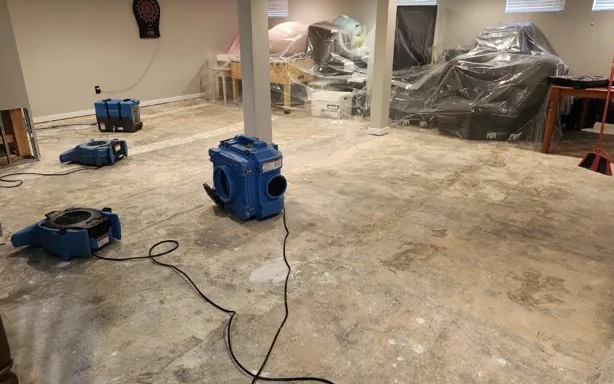
In Chester, the air itself can slow drying. Local pros run industrial dehumidifiers to strip moisture from the air so wet materials dry faster.
In Chester and nearby Bellwood, Chesterfield and Meadowbrook, local pros map moisture in walls and subfloors, then fit thermal drying and humidity control to the materials in the building.
Temperature-Controlled Drying Methods Available in Chester
Thermal Drying for Water Damage
Local temperature-controlled drying specialists apply thermal energy to enhance air mover and dehumidifier effectiveness. This lowers relative humidity, creating a stronger force to pull moisture from materials.
Moisture Mapping
Moisture mapping uses penetrating and non-penetrating meters to document water migration. This creates a blueprint of wet areas, including hidden moisture behind walls.
Water Damage Drying Logs
Key data like psychrometric readings and material moisture content are meticulously recorded. These logs show a clear trend toward dryness, confirming the job's success.
Humidity Control for Restoration
Dehumidifiers lower the dew point in the affected area, so materials give up their moisture more easily.
Climate-Controlled Drying Systems
Dehumidifiers and air movers keep the air in a contained space warm and dry, so moisture moves out of materials faster.
Signs You Need Professional Temperature-Controlled Drying in Chester
Paint Peeling or Bubbling Up
Paint loses adhesion and forms bubbles or peels away from the wall. This failure is caused by moisture trapped beneath the paint film.
Cold, Damp Feeling in a Room
A room feels noticeably colder and damper than the rest of the house. This sensation is often due to evaporative cooling from wet materials.
Condensation on Windows or Surfaces
Excess humidity causes water droplets to form on cold surfaces. This condensation confirms the indoor air has too much moisture.
Cracking of Plaster or Joints
Plaster or drywall joint tape develops new cracks or fissures. These cracks occur as wet materials swell and then contract during drying.
How Temperature-Controlled Drying Works in Chester
Step 1: Assessment and Moisture Detection
The pros perform a thorough assessment using thermal imaging and moisture meters. This identifies the full extent of damage, guiding the drying plan.
Step 2: Containment and Airflow Strategy
Plastic barriers close off the wet area so humidity can be controlled, and air movers are placed to move air across wet materials.
Step 3: Thermal Drying System Activation
Specialized thermal drying equipment is activated to gently raise the air temperature in the space.
Step 4: Verification and Structural Drying Completion
Readings are compared with dry areas of the building to confirm drying is complete.
Common Causes Requiring Structural Drying in Chester
Sprinkler System Activation
A fire sprinkler discharges, releasing a large volume of water quickly. This event saturates entire areas and requires precise air mover placement and strategy.
Roof Leak During Heavy Rain
Wind-driven rain through a damaged roof or flashing can run down inside wall cavities, where it needs targeted drying.
Appliance Malfunction or Overflow
A failed washing machine hose, water heater or dishwasher can release many gallons onto the floor.
Undetected Plumbing Leaks
A slow drip behind a wall or under a slab saturates materials over time.
Temperature-Controlled Drying for All Property Types in Chester
Residential Temperature-Controlled Drying
Residential restoration focuses on saving personal items and preventing long-term odors in living areas and bedrooms. The specialists employ thermal drying for water damage to gently yet effectively dry contents and building materials.
Commercial Temperature-Controlled Drying
In commercial settings, uncontrolled humidity can damage sensitive electronics, documents, and finished goods. The pros implement humidity control for restoration to create optimal drying conditions for diverse materials.
Temperature-Controlled Drying vs. DIY Drying in Chester
After the water is removed, wipe hard surfaces like tile or sealed wood with a disinfectant, and shut off the water source if it is still leaking.
Understanding Temperature-Controlled Drying Cost in Chester
In Chester, cost depends on the size of the wet area and how aggressive the drying must be.
Documentation Requirements
Detailed drying logs and moisture reports for insurance take extra time to prepare.
Access and Logistics
Challenging site access in Chester can complicate equipment deployment and placement, potentially increasing setup time and labor requirements.
Extent of Water Damage
The larger the area that needs drying, the more equipment and labor the job takes.
Does Insurance Cover Temperature-Controlled Drying?
Insurance may help pay for drying if the cause is a covered loss. Pros provide moisture maps and equipment records for your insurer, which makes the coverage decision.
Benefits of Local Specialists for Temperature-Controlled Drying in Chester
Advanced Moisture Mapping
Moisture meters and thermal cameras find hidden wet pockets so every affected material is dried.
Strategic Equipment Deployment
Air movers and dehumidifiers are placed according to a plan for even airflow and low humidity.
Structural Drying
The focus is on quickly extracting moisture from structural components to minimize warping, swelling, or the potential for mold growth.
Emergency Temperature-Controlled Drying Response for Chester, VA
For temperature-controlled drying after a leak or flood, call (804) 531-4089 any time. The pros can then start drying the structure.
Call Now (804) 531-4089Local Temperature-Controlled Drying Coverage for Chester, Bellwood, Chesterfield and Meadowbrook
The pros dry structures and control humidity in Chester and communities such as Bellwood, Chesterfield and Meadowbrook.
- Temperature-Controlled Drying in Bellwood
- Temperature-Controlled Drying in Chesterfield
- Temperature-Controlled Drying in Meadowbrook
- Temperature-Controlled Drying in Enon
- Temperature-Controlled Drying in Colonial Heights
- Temperature-Controlled Drying in Hopewell
- Temperature-Controlled Drying in Fort Gregg-Adams
- Temperature-Controlled Drying in Dumbarton
- Emergency Damage Restoration in 23831
- Storm Damage Restoration in 23831
- Water Damage Restoration in 23831
- Water Extraction Service in 23831
- Water Leak Detection in 23831
- Water Removal Service in 23831
- Emergency Damage Restoration in 23836
- Storm Damage Restoration in 23836
Temperature-Controlled Drying FAQs for Chester Property Owners
How does thermal drying for water damage work?
Thermal drying applies carefully managed heat to increase the evaporation rate of moisture trapped within materials, accelerating the drying process while monitored to prevent damage.
What happens if hidden moisture is not found during mapping?
Undetected moisture can lead to ongoing deterioration, odor issues, and mold growth inside walls or under floors, underscoring the critical need for thorough initial assessment.
What is the difference between air movers and dehumidifiers?
Air movers evaporate moisture from surfaces into the air, and dehumidifiers pull it back out of the air.
What does drying equipment deployment involve?
Pros assess the loss, calculate how much equipment is needed and place air movers, dehumidifiers and sometimes heaters.
When is climate-controlled drying necessary versus regular drying?
Climate-controlled drying is necessary for severe losses, sensitive materials, or when precise environmental control is needed to prevent damage, unlike simple air drying for minor spills.