Richmond, VA · Greater Richmond
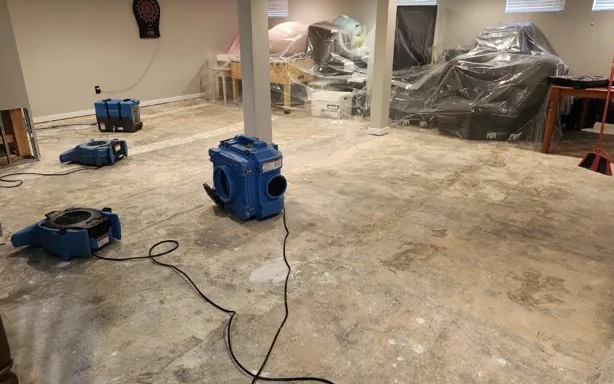
Structural Drying & Dehumidification in Richmond, VAConcrete Slab Drying & Emergency Flood Drying
Structural Drying & Dehumidification in Richmond includes emergency flood drying, concrete slab drying and ceiling cavity drying.
Answered 24/7
Professional Structural Drying & Dehumidification in Richmond, VA
Timely drying in Richmond prevents staining, swelling and lasting damage. Crawl spaces and concrete slabs hold water longer than other areas, so they need professional equipment.
Water-damaged properties in Richmond and nearby areas like East Highland Park, Montrose and Lakeside often have hidden moisture in wall cavities, subfloors or slabs. Local water damage pros dry these areas and can explain each step before work begins.
Structural Drying & Dehumidification Services in Richmond
Concrete Slab Drying
Pros draw water out of saturated slabs with specialized systems so new flooring adhesive does not fail later.
Emergency Flood Drying
After major water intrusion, pros set up industrial dehumidifiers and air movers to dry the building.
Wet Wall Cavity Drying
Specialized tools push dry air into the space behind drywall where water hides after a leak.
Crawl Space Dehumidification
Excess crawl space moisture causes wood decay and draws pests, so pros set up systems to keep it dry.
Building Material Drying
The pros monitor wet studs and sheathing until they are dry, protecting the home's framework.
Signs of Needing Structural Drying & Dehumidification in Your Home
Water Pooling in Crawl Space
Standing water in the crawl space damages floor framing and the foundation over time.
Soft or Crumbling Drywall
Drywall that feels soft or crumbles has absorbed a lot of water and may need removal.
Soggy or Spongy Subfloors
Floors that feel spongy underfoot have a soaked subfloor that needs drying.
Visible Mold or Mildew
Dark spots on walls or floors after a leak mean moisture is still trapped inside the materials.
How Structural Drying & Dehumidification Works in Richmond
Step 1: Emergency Drying Response
Pros assess how far the water spread and choose which areas to dry first to limit further damage.
Step 2: High-Efficiency Moisture Extraction
Extraction equipment pulls water out of soaked subfloors and wall cavities before drying starts.
Step 3: Targeted Structural Drying Process
Air movers and dehumidifiers create steady drying conditions for concrete slabs and hardwood floors.
Step 4: Final Drying Validation
Moisture readings confirm every material is dry before the equipment is removed and repairs begin.
Sources of Moisture Requiring Dehumidification Services in Richmond
Firefighting Water Damage
Water used to put out a fire soaks deeply into framing, drywall and insulation.
Natural Flooding Events
Heavy rain or overland flooding can soak large parts of a property at once.
Foundation Cracks and Seepage
Cracks in the foundation or slab let groundwater in, wetting concrete and basement walls.
Poor Ventilation and Humidity
Poor airflow in bathrooms or crawl spaces keeps materials damp month after month.
Whole Property Structural Drying & Dehumidification in Richmond
Residential Structural Drying & Dehumidification
In homes, drying focuses on living spaces and belongings, including subfloors in bedrooms and flooded basements or living rooms.
Commercial Structural Drying & Dehumidification
Businesses need inventory, equipment and infrastructure protected, so pros set up large drying systems in stores, restaurants and plants.
Hiring Water Damage Pros for Structural Drying & Dehumidification in Richmond
Turning off the main water supply is a safe first step that stops the flow. For the drying that follows, call the pros with industrial equipment.
Factors Affecting Structural Drying & Dehumidification Price in Richmond
The extent of soaking, the types of wet materials and whether work starts after hours all affect the final cost.
Access and Confinement
Tight crawl spaces and closed ceiling cavities are harder to reach and may need special setups.
Water Category and Source
Clean water from a supply line is simpler to handle than contaminated floodwater.
Secondary Damage Prevention
Faster drying with extra equipment, used to prevent lasting damage, adds to the cost.
Does Insurance Cover Structural Drying & Dehumidification?
Crawl space drying may be covered when the water came from a sudden event, but rarely for humidity or poor ventilation. The pros in Richmond supply the records.
Why Choose Local Pros for Structural Drying & Dehumidification in Richmond
Moisture Remediation Focus
The goal is full drying of hidden materials, not just removing the visible water.
Structured Drying Assessments
Pros check and adjust the equipment regularly so humidity and moisture keep dropping.
Comprehensive Damage Documentation
Logs, photos and moisture readings are recorded throughout for you and your insurer.
Emergency Structural Drying & Dehumidification for Richmond Properties
Do not let water sit, since materials start to swell and rot within days. For 24/7 dehumidification in Richmond, call (804) 531-4089 to reach the specialists.
Call Now (804) 531-4089Structural Drying & Dehumidification for Richmond and Surrounding Communities
Drying and dehumidification are available for properties in Richmond and nearby communities like East Highland Park, Montrose and Lakeside.
Structural Drying & Dehumidification Information FAQs
Can wet drywall be saved with structural drying?
Lightly wet drywall can often dry in place, but heavily soaked panels usually need to be cut out and replaced.
What is wet wall cavity drying?
Small openings or injection systems push dry air inside the wall to dry studs and insulation that fans cannot reach.
Is ceiling cavity drying necessary after a roof leak?
Yes. Water above the ceiling soaks insulation and can reach wiring, so targeted drying equipment is placed there.
What happens during property drying monitoring?
Pros return to check moisture readings, adjust equipment and give updates until the space is dry.
What areas of a home need moisture remediation after a leak?
Wet floors and walls, plus hidden spaces like wall cavities, subfloors, ceilings and under cabinets.