Richmond, VA · Greater Richmond
Smoke Damage Assessment in Richmond, VASmoke Residue Testing & Post-Fire Surface Damage Evaluation
Smoke Damage Assessment in Richmond includes smoke residue testing, structural smoke inspection and soot damage assessment for contents.
Answered 24/7
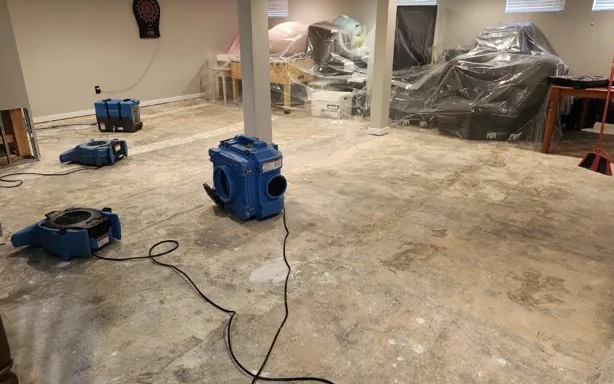
Local Smoke Damage Assessment for Richmond Homes and Businesses
Smoke from a fire in Richmond can spoil indoor air and leave lasting odors in materials. Soot residue is acidic and keeps corroding surfaces until it is removed, so an assessment maps the contamination before cleanup starts.
Homes in Richmond and nearby areas like East Highland Park, Montrose and Lakeside often need a detailed assessment after smoke damage. Local smoke damage pros evaluate soot on contents, the structure and air quality, including odor sources and HVAC systems, to plan a full recovery.
Smoke Damage Assessment and Inspection Services in Richmond
Smoke Residue Testing
Testing classifies soot types so pros can choose the right cleaning agents and avoid permanent staining on surfaces and belongings in Richmond.
Post-Fire Surface Damage Evaluation
The evaluation avoids replacing items that can be saved and produces an itemized plan with photos for your records.
HVAC System Smoke Contamination Check
Soot coats duct interiors and coils and keeps releasing odor. Pros inspect the whole system to set the cleaning needed in Richmond.
Smoke Odor Source Detection
Hidden sources often include residue in wall cavities and attics. Pros test different areas so the odor does not return weeks later.
Emergency Smoke Damage Tarping
Tarping and boarding create a controlled space for assessment and keep new contaminants out of the house.
Symptoms That Call for a Smoke Damage Assessment in Richmond
Metallic or Electrical Smoke Smell
A sharp, acrid smell near appliances or wiring suggests smoke from an electrical fire.
Unusual Irritation or Respiratory Issues
Coughing, itchy eyes or breathing trouble at home can point to smoke in the indoor air.
Smoke Stains on Air Vents
Dark streaks around supply and return vents mean smoke has moved through the ductwork.
Persistent Smoke Odors After Airing
A smoky smell that comes back after airing out the house means residue is embedded in surfaces.
How Smoke Damage Assessment Works in Richmond
Step 1: Documentation for Insurance Purposes
Smoke damage pros photograph and note all damage for your insurance before any work begins.
Step 2: Identification of Smoke Residue Types
Pros identify whether residue is protein, fuel or dry smoke to choose the right cleaning.
Step 3: Assessment of Corrosive Damage Potential
Pros check how much acidic soot could corrode metals, wiring and electronics.
Step 4: Development of Customized Cleanup Protocol
A cleanup plan is written from the findings, covering odor removal and restoration.
Common Causes of Smoke Damage Assessment Needs in Richmond
High Heat Driving Smoke Into Materials
High heat forces smoke particles into the smallest pores of walls, floors and furniture.
Improper Post-Fire Ventilation
Poor ventilation after a fire lets residue settle and bond more firmly to surfaces.
Natural Material Smoke From Wood
Burning wood or paper leaves dry, powdery soot that still discolors and odorizes surfaces.
HVAC System Recirculating Soot
A running HVAC system can spread smoke and soot through every room of the house.
Smoke Damage Assessment for Every Building Type in Richmond
Residential Smoke Damage Assessment
Home assessments often find smoke in closets and between floorboards, and residue testing then sets the right cleaning method.
Commercial Smoke Damage Assessment
Warehouses need checks of high ceilings, racks and wiring for corrosive residue that could cause equipment failures later.
Why DIY Smoke Damage Assessment Falls Short in Richmond
Bowls of baking soda or activated charcoal can reduce odor a little. Avoid ozone generators or strong chemical sprays without professional guidance, and call the pros for a full evaluation.
Factors Influencing Smoke Damage Assessment Cost in Richmond, VA
Hard-to-reach areas like tight crawl spaces or high ceilings may need special equipment to inspect, which adds time.
Odor Severity
Strong, lasting odors need advanced detection methods to trace them to the source.
Property Size
Larger homes in Richmond have more space to test and inspect, which takes more time.
Smoke Penetration Depth
Soot deep in walls or ducts needs more testing to find odor sources.
Does Insurance Cover Smoke Damage Assessment?
Your insurance company decides whether the assessment is a covered loss. The experts compile evidence for the adjuster, so discuss scope directly with your insurer.
Why Choose Local Pros for Smoke Damage Assessment in Richmond
Comprehensive Damage Documentation
Detailed reports with photos and readings support your records and your insurance claim.
Content Damage Analysis
Belongings are inspected to decide what can be cleaned and what needs other care.
Around-the-Clock Initiation
An assessment from the pros helps prevent more damage while cleanup is planned.
24/7 Emergency Smoke Damage Assessment for Richmond
A fire can leave hidden soot and odor problems. Call (804) 531-4089 any time for an urgent assessment in Richmond so the next steps can be planned.
Call Now (804) 531-4089Local Smoke Damage Assessment Covering Richmond, East Highland Park, Montrose and Lakeside
After a fire in Richmond or nearby East Highland Park, Montrose and Lakeside, smoke cleanup begins with residue testing and odor tracing.
Smoke Damage Assessment FAQ for Richmond Homeowners
Does assessment include post-fire surface damage evaluation?
Yes. Walls, counters and floors are checked for etching, discoloration and residue that need cleaning or repair.
What if smoke damage is only in one room?
Smoke travels on air currents, so a full assessment often finds contamination in other rooms and the HVAC system.
Are smoke smells a health concern after a fire?
Odors can signal lingering particles, and air testing during the assessment can show any immediate problem.
What is soot damage assessment for contents?
It checks your belongings for soot to decide which items can be cleaned and which need other attention.
How long does a typical assessment take?
It depends on size and damage, but a full assessment of an average home often takes several hours.