Sandston, VA · Henrico County
Rapid Structural Drying in Sandston, VACrawl Space Drying & Concrete Slab Drying
Rapid Structural Drying in Sandston involves emergency structural drying, wall cavity drying, and flood drying services from restoration pros.
Answered 24/7
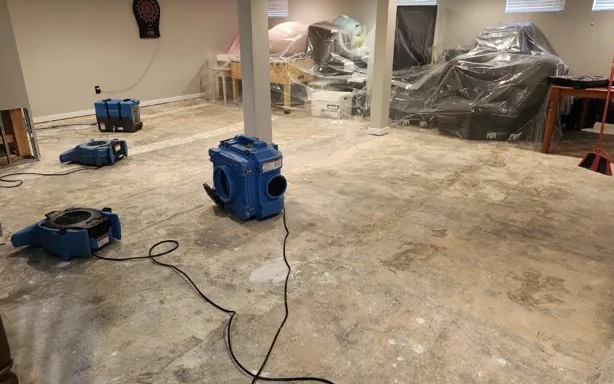
Expert Rapid Structural Drying for Sandston Properties
Concrete slabs, subfloors and wall studs all absorb moisture at different rates. Incomplete drying leaves residual dampness that weakens structures over time.
Structural moisture removal in Sandston addresses both visible and hidden water damage in homes and businesses. Service areas include nearby locations like Highland Springs, Montrose and East Highland Park for added convenience.
Comprehensive Rapid Structural Drying Solutions
Crawl Space Drying
Crawl spaces are vulnerable to groundwater and plumbing leaks. Effective drying here combines pumping, debris removal, and the strategic placement of air movers and dehumidifiers.
Concrete Slab Drying
Drying a concrete foundation slab is a slow, methodical task. It requires creating a dry air environment above the slab to encourage moisture evaporation from its surface.
Structural Dehumidification
In a water-damaged building, high humidity is the enemy. Structural dehumidification uses commercial-grade equipment to rapidly lower relative humidity.
Emergency Structural Drying
Drying starts with a quick assessment and equipment placement, so moisture is pulled from walls, floors and framing before the damage spreads.
Subfloor Drying
Water seeping under flooring requires immediate attention. High-capacity dehumidifiers then capture the water vapor to protect the subfloor's strength.
Indications for Rapid Structural Drying
Visible Water Stains on Walls
Yellow or brown stains on drywall or ceilings mean water got into the material and may still be inside.
Damp Spots on Concrete Floors
Persistent dampness on a concrete slab can leave white mineral deposits and loosen flooring adhesive.
Soggy or Spongy Drywall
Drywall that feels soft to the touch has absorbed a lot of water and needs drying right away.
Musty Odors in Your Home
A musty smell that will not go away usually means moisture is trapped inside walls or under floors.
How Rapid Structural Drying Works in Sandston
Step 1: Emergency Assessment and Moisture Mapping
Local water damage pros first perform a detailed inspection using moisture meters and thermal imaging to create a precise moisture map of all affected structural areas.
Step 2: Strategic Flood Drying Setup
Based on the moisture map, air movers and dehumidifiers are placed where they dry the wet materials fastest.
Step 3: Targeted Cavity and Subfloor Drying
Hidden moisture in walls and subfloors is dried with injection systems or drying mats, without tearing out the finishes.
Step 4: Verification and Structural Dehumidification
Pros check moisture levels with meters and adjust equipment until all materials meet dry targets.
Common Causes of Water Damage Requiring Rapid Structural Drying in Sandston
HVAC System Condensation Issues
Clogged drain lines or faulty condensate pumps from air handlers can cause significant water damage inside walls and ceilings.
Overflowing Sinks or Bathtubs
A bathroom overflow can send water under flooring and into wall cavities, where it stays hidden.
Roof Leaks From Storm Damage
Wind-driven rain or damaged shingles allow water to infiltrate attics and wall cavities, leading to widespread structural moisture.
Severe Weather and Flooding
Heavy rainfall or localized flooding can overwhelm drainage, leading to water intrusion.
Both Home and Business Rapid Structural Drying
Residential Rapid Structural Drying
Crawl space drying is critical in homes to stop wood rot and pest infestation. The pros run drying ducts and desiccant dehumidifiers under the house until it reads dry.
Commercial Rapid Structural Drying
Offices get drying plans that run in phases, floor by floor, so wall cavities and ceiling plenums are dried with the least disruption.
The Risks of Attempting Rapid Structural Drying Yourself
Pull back baseboards carefully to inspect for hidden water in wall cavities, but do not puncture drywall. This visual check can help assess the extent.
Factors Affecting Rapid Structural Drying Pricing
Pricing for emergency structural drying in Sandston varies based on the category of water involved and the required drying time. Dehumidification and moisture mapping add to the total.
Required Drying Equipment
The number and type of industrial air movers, dehumidifiers, and moisture meters deployed for structural moisture removal influence operational costs.
Extent of Water Damage
The square footage and depth of saturation in materials like drywall and subflooring directly impact the drying time and equipment needed.
Access and Complexity
Difficult-to-reach areas like tight crawl spaces or behind finished walls add labor time to the emergency structural drying process.
Does Insurance Cover Rapid Structural Drying?
Insurance may cover fast structural drying if the water damage is from a sudden, accidental event like a burst pipe. The pros will create a thorough record of moisture levels and affected areas for your insurer.
The Importance of Expert Rapid Structural Drying
Advanced Moisture Detection
Tools like thermal imagers and moisture meters are used for accurate moisture mapping to find hidden water.
Industrial-Grade Drying Equipment
High-capacity air movers and dehumidifiers dry crawl spaces and concrete slabs, which hold water longest.
Prevention of Mold Growth
Rapid drying helps control humidity levels, creating an environment less conducive to mold development after water intrusion.
Round-the-Clock Rapid Structural Drying Availability
Don't wait for hidden moisture in crawl spaces or concrete slabs to cause more damage. For emergency structural drying and dehumidification, call (804) 531-4089 at any hour to get started.
Call Now (804) 531-4089Rapid Structural Drying Near Sandston: Areas Served
Wall cavity and subfloor drying is available in Sandston and nearby areas such as Highland Springs, Montrose and East Highland Park.
- Rapid Structural Drying in Highland Springs
- Rapid Structural Drying in Montrose
- Rapid Structural Drying in East Highland Park
- Rapid Structural Drying in Bensley
- Rapid Structural Drying in Mechanicsville
- Rapid Structural Drying in Dumbarton
- Rapid Structural Drying in Short Pump
- Rapid Structural Drying in Tuckahoe
- Emergency Damage Restoration in 23150
- Storm Damage Restoration in 23150
- Water Damage Restoration in 23150
- Water Extraction Service in 23150
- Water Leak Detection in 23150
- Water Removal Service in 23150
Common Queries About Structural Drying
How do pros know when structural drying is complete?
The pros use moisture meters to compare readings in affected materials to known dry standards in unaffected areas, ensuring moisture levels are acceptable before concluding the job.
What is rapid structural drying?
Rapid structural drying is a focused water mitigation process using industrial equipment to quickly remove moisture from building materials like walls, floors, and substructures to prevent further damage.
How long does concrete slab drying typically take?
Concrete slab drying time varies with thickness and saturation but often takes several days, as dense concrete releases moisture slowly, requiring sustained use of industrial dehumidifiers and air circulation.
What equipment is used for water mitigation drying?
Water mitigation drying utilizes industrial air movers for evaporation, high-capacity dehumidifiers to remove vapor, and moisture meters to monitor progress throughout the structural drying process.
Can flood drying services prevent mold?
Prompt flood drying services that quickly remove water and lower humidity can significantly reduce the risk of mold growth, which often begins within 24-48 hours in damp conditions.