Williamsburg, VA · Williamsburg City
Hydrostatic Pressure Water Removal in Williamsburg, VASump Pump Failure Cleanup & Groundwater Intrusion Mitigation
Hydrostatic Pressure Water Removal in Williamsburg covers groundwater intrusion mitigation, wet subfloor removal and crawl space water extraction.
Answered 24/7
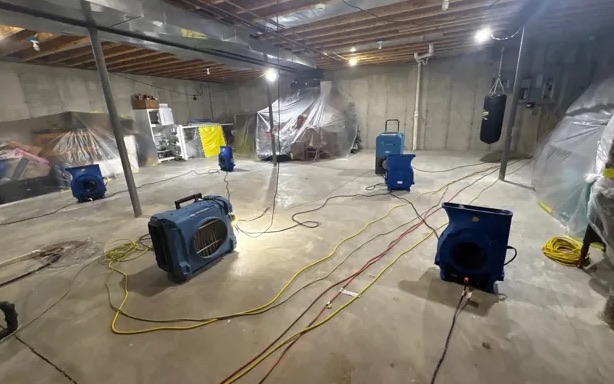
Professional Hydrostatic Pressure Water Removal in Williamsburg, VA
Wet subfloor after a groundwater flood can ruin flooring and weaken joists. The moisture wicks up into walls, so the damage is often bigger than the flooded area.
In Williamsburg and nearby Yorktown, Gloucester and West Point, soaked soil can push water into basements and crawl spaces. Local hydrostatic pressure experts extract the water and dry the structure.
Specialized Hydrostatic Pressure Water Removal for Williamsburg
Sump Pump Failure Cleanup
A failed sump pump often floods a crawl space or lower level. Local hydrostatic pressure experts remove the water and explain what needs drying and what a plumber should check.
Groundwater Intrusion Mitigation
The first step is extracting all visible water. The pros then note where water is getting in so you know what to ask a drainage contractor about.
Crawl Space Water Extraction
Pumps and extractors made for tight spaces remove water from the crawl space before any drying, encapsulation or other work can start.
Slab Seepage Water Removal
Groundwater pushed up through a concrete slab can leave damp spots or a thin sheet of water. It is extracted and the slab and flooring are dried.
Wet Subfloor Removal
The process includes cutting out affected panels, disposing of them properly, and creating a dry, stable base for the new flooring material.
Signs of Groundwater Intrusion Requiring Hydrostatic Pressure Water Removal
Warped or Buckling Flooring
Flooring that warps or buckles near walls can mean water is coming up from below and the subfloor is wet.
Spongy or Soft Spots on Floors
Damp spots or lifting flooring on a slab can mean water is coming up from below.
Gurgling Sounds From Floor Drains
Gurgling floor drains during heavy rain can mean water pressure is building in the drain lines around the house.
Damp or Musty Odors in Basement
A constant musty smell in the lower level often means groundwater is getting in somewhere.
How Hydrostatic Pressure Water Removal Works in Williamsburg
Step 1: Emergency Water Extraction
The experts use truck-mounted pumps to remove standing water from basements and crawl spaces.
Step 2: Foundation Leak Assessment
An inspection finds where groundwater is getting in and maps how far the water spread.
Step 3: Structural Drying Deployment
Industrial air movers and dehumidifiers are positioned strategically to dry wall cavities, subfloors, and structural members until readings return to normal.
Step 4: Final Moisture Verification
Professionals use moisture meters and sensors to confirm all materials are dry.
How Hydrostatic Pressure Creates Water Removal Emergencies
Improper Landscaping and Irrigation
Landscaping that slopes toward the house, or heavy watering near it, adds water to the soil against the foundation.
Sump Pump Malfunction or Failure
A sump pump that fails cannot remove groundwater, so it builds up and floods the lower level.
Clogged or Collapsed Footing Drains
When perimeter drains clog or fail, water has nowhere to go and presses against the walls and slab.
Failed or Missing Waterproofing
Worn exterior coatings or membranes let groundwater reach the foundation wall directly.
Residential and Commercial Hydrostatic Pressure Water Removal in Williamsburg
Residential Hydrostatic Pressure Water Removal
In homes, water through the foundation can reach framing and wiring in the lower level. The experts remove the water and dry the structure, and a foundation contractor handles any cracks.
Commercial Hydrostatic Pressure Water Removal
Warehouses and plants on slab floors can take on water from below. Industrial equipment removes it and dries the large floor area so work can resume.
Hydrostatic Pressure Water Removal vs. DIY: When to Call the Pros
A dehumidifier can help with humidity in a damp basement once water has stopped coming in. Drying wet subfloor and framing needs professional equipment for a full dry-out.
Factors Affecting Hydrostatic Pressure Water Removal Pricing in Williamsburg
Groundwater cleanup cost around Yorktown, Gloucester and West Point depends on how strong the pressure is, which materials are affected and how much waterproofing repair is needed.
Material Saturation Level
Deeply soaked subflooring or wet foundation walls need more extraction and dehumidification.
Required Drying Time
The number of days the structure takes to dry is a large part of the cost.
Intrusion Severity
How deep the water is and how much keeps coming in decide how long extraction takes.
Does Insurance Cover Hydrostatic Pressure Water Removal?
For water coming up through a slab, coverage often depends on whether the leak was sudden or slow. The experts record the source and the wet areas, and your insurer decides.
Why Choose Local Pros for Hydrostatic Pressure Water Removal in Williamsburg
Sump Pump System Evaluation
After a sump pump failure, the pros help you understand why it failed so a plumber can fix it.
24/7 Emergency Response
Removing water from a flooded lower level early limits damage to framing and lowers the mold risk.
Structural Damage Assessment
The pros check where water came in and which materials it reached before drying starts.
Around-the-Clock Help for Hydrostatic Flooding in Williamsburg
Water forced in through a foundation crack can spread across a floor quickly. Call (804) 531-4089 any time for help with water removal and drying in Williamsburg.
Call Now (804) 531-4089Hydrostatic Pressure Water Removal in Williamsburg and Other Areas Served
Each place listed below has its own page with local details.
- Hydrostatic Pressure Water Removal in Yorktown
- Hydrostatic Pressure Water Removal in Gloucester
- Hydrostatic Pressure Water Removal in West Point
- Hydrostatic Pressure Water Removal in Poquoson
- Hydrostatic Pressure Water Removal in Newport News
- Hydrostatic Pressure Water Removal in Smithfield
- Hydrostatic Pressure Water Removal in Hampton
- Hydrostatic Pressure Water Removal in Prince George
- Emergency Damage Restoration in 23185
- Storm Damage Restoration in 23185
- Water Damage Restoration in 23185
- Water Extraction Service in 23185
- Water Leak Detection in 23185
- Water Removal Service in 23185
- Emergency Damage Restoration in 23186
- Storm Damage Restoration in 23186
Common Hydrostatic Pressure Water Removal Questions Answered
What equipment is used for groundwater extraction?
Groundwater extraction uses submersible pumps for deep water, wet-dry vacuums for shallow flooding, and specialized extractors for under-slab water removal.
How is hydrostatic pressure measured during flooding?
It is not measured directly. The depth of water and how fast it comes in show how much pressure the soil is putting on the foundation.
What does groundwater intrusion mitigation involve?
Removing the water, drying the structure and then, often, drainage or waterproofing work outside by a contractor.
What are signs of soil pressure water intrusion?
Water seeping where the floor meets the wall, damp foundation walls and ongoing moisture in a crawl space.
What is hydrostatic pressure water damage?
It is water pushed through foundation cracks or slab joints by water pressure in the soil, which floods the lower level and soaks the structure.