Trusted by 155+ Homeowners
HVAC Leak Water Removal in West Point, VA
- Over 159 5-Star Reviews
- Free Estimates and Quotes
- 100% Satisfaction Guaranteed
- Child, Family & Pet Safe Steps
- 24-Hour Emergency Service
- Fully Licensed & Insured
Water Damage from Your HVAC System? Don’t Wait, Act Now!
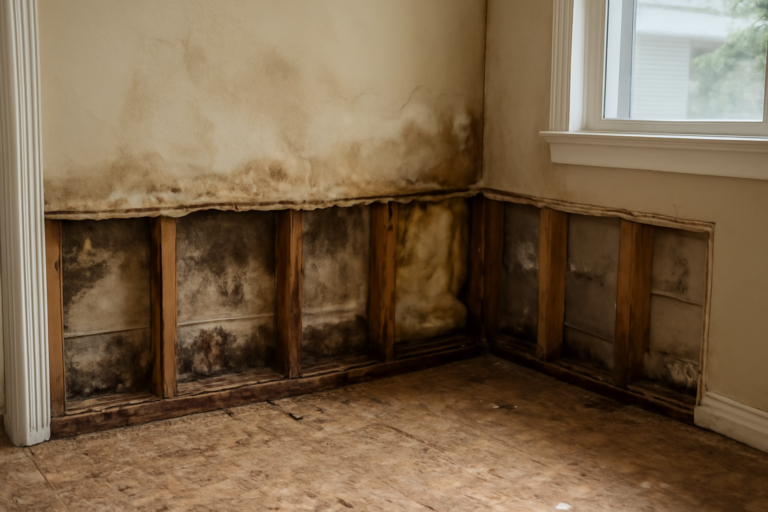
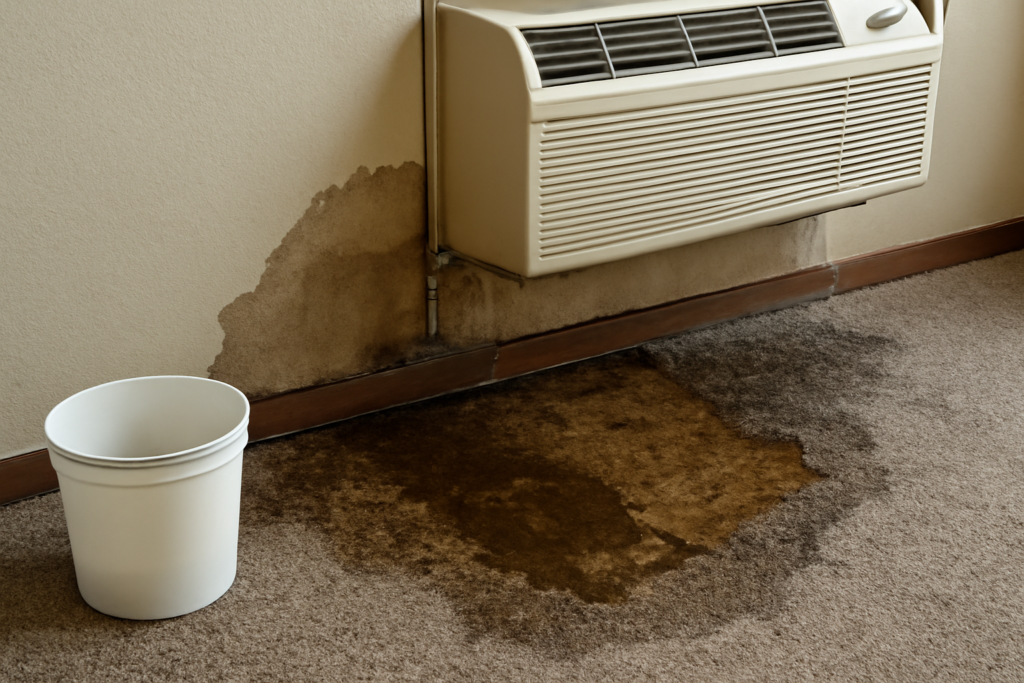
Imagine walking into your home on a chilly winter morning to find water pooling around your furnace, dripping from the ceiling, and seeping into your carpet. The smell of dampness fills the air, and you can hear the sound of water trickling from the vents. It’s a nightmare scenario, and it’s more common than you think. If you’re experiencing water damage from your HVAC system in West Point, VA, it’s essential to act fast to prevent further damage and costly repairs.
Our team has helped hundreds of homeowners in the area recover from similar situations, and we’re here to guide you through the process. With over 165 five-star reviews, you can trust that you’re in good hands. Our technicians are IICRC-certified and dedicated to providing top-notch service to get your home back to normal as quickly as possible.
- Fast response times to reduce water damage and prevent mold growth.
- Advanced equipment and techniques to dry your home efficiently and effectively.
- Personalized service to address your unique needs and concerns.
How Our Team Handles HVAC Leak Water Removal
With HVAC leak water removal, a proper process is crucial to prevent further damage and ensure a thorough dry-out. Our team follows a meticulous protocol to contain the water, extract the moisture, and dry your home to a safe and healthy level. We use specialized equipment, including moisture meters and drying fans, to monitor the drying process and ensure it’s done right.
Step 1: Containment
Our technicians will quickly contain the affected area to prevent further water damage and prevent mold growth. We use specialized barriers and equipment to seal off the area and prevent water from spreading. This step is crucial in preventing further damage and ensuring a thorough dry-out.
Step 2: Water Extraction
Next, we’ll extract the standing water using powerful pumps and wet vacuums. This step is critical in removing as much water as possible to prevent further damage and promote drying. Our equipment is designed to extract water quickly and efficiently, reducing the risk of further damage.
Step 3: Drying
Once the water is extracted, we’ll use specialized drying equipment, including dehumidifiers and drying fans, to dry your home to a safe and healthy level. This step is crucial in preventing mold growth and ensuring your home is safe to occupy. Our technicians will monitor the drying process to ensure it’s done correctly and efficiently.
Step 4: Monitoring and Verification
Finally, we’ll monitor the affected area to ensure it’s completely dry and safe. We’ll use moisture meters to verify the dryness and ensure your home is ready for occupancy. This step is critical in preventing further damage and ensuring your home is safe and healthy.
Don’t wait, act now to prevent further damage and costly repairs. Our team is here to help you every step of the way. Contact us today to schedule a free estimate and get your home back to normal.

Warning Signs You Need HVAC Leak Water Removal
Ignoring the warning signs of an HVAC leak can lead to costly repairs and even health risks. Catching these signs early can save you thousands of dollars and prevent bigger problems down the line.
Musty Odors That Won’t Go Away
Strong, musty odors in your home can be a sign of a hidden water leak. If you notice a persistent smell, it’s essential to investigate further to prevent mold growth and further damage. Don’t ignore the smell, it’s a warning sign that something is amiss.
Water Stains on Your Ceiling or Walls
Water stains on your ceiling or walls can be a sign of a leak in your HVAC system. If you notice water stains, it’s essential to investigate further to prevent further damage and costly repairs. Don’t wait, act now to prevent further damage.
Warped or Buckled Flooring
Warped or buckled flooring can be a sign of a hidden water leak. If you notice your flooring is warped or buckled, it’s essential to investigate further to prevent further damage and costly repairs. Don’t ignore the signs, act now to prevent further damage.
Increased Energy Bills
Increased energy bills can be a sign of an inefficient HVAC system. If you notice your energy bills are higher than usual, it’s essential to investigate further to prevent further damage and costly repairs. Don’t ignore the signs, act now to prevent further damage.
Water Droplets on Your Windows
Water droplets on your windows can be a sign of a leak in your HVAC system. If you notice water droplets, it’s essential to investigate further to prevent further damage and costly repairs. Don’t wait, act now to prevent further damage.
Unusual Noises from Your HVAC System
Unusual noises from your HVAC system can be a sign of a leak or other issue. If you notice unusual noises, it’s essential to investigate further to prevent further damage and costly repairs. Don’t ignore the signs, act now to prevent further damage.
HVAC Leak Water Removal vs. DIY: When To Call a Professional
| Situation | DIY? | Call a Pro? | Why |
|---|---|---|---|
| Small leak, contained to a single room | Yes | No | DIY can be effective for small, contained leaks. |
| Large leak, affecting multiple rooms | No | Yes | Professional equipment and expertise are necessary for large-scale leaks. |
| Hidden leak, difficult to detect | No | Yes | Professional technicians have the training and equipment to detect hidden leaks. |
| Water damage has already occurred | No | Yes | Professional restoration services can help mitigate damage and prevent further issues. |
| You’re unsure about the cause or extent of the leak | No | Yes | Professional technicians can assess the situation and provide a plan for repair and restoration. |
| You’re not comfortable with the process or equipment | No | Yes | Professional technicians have the training and experience to handle complex situations. |
Don’t risk further damage and costly repairs by trying to handle an HVAC leak on your own. Our team is here to help you every step of the way. Contact us today to schedule a free estimate and get your home back to normal.
HVAC Leak Water Removal Cost In West Point, VA
The cost of HVAC leak water removal can vary depending on the severity of the leak, the size of the affected area, and local conditions in West Point, VA. Our estimates are based on the extent of the damage and the equipment needed to restore your home to a safe and healthy level.
| Service | Typical Price Range | What Affects Cost |
|---|---|---|
| Containment and water extraction | $500 – $2,000 | Size of affected area and equipment needed |
| Drying and dehumidification | $1,000 – $5,000 | Size of affected area and equipment needed |
| Monitoring and verification | $200 – $1,000 | Size of affected area and equipment needed |
| Equipment rental and labor | $500 – $2,500 | Size of affected area and equipment needed |
| More services (e.g., carpet cleaning, drywall repair) | $500 – $2,000 | Scope of work and materials needed |
Exact pricing depends on an on-site assessment, and we offer free estimates to ensure you know exactly what to expect. Contact us today to schedule a consultation and get your home back to normal.
Service Areas Near West Point, VA
Our team serves the following areas: Mechanicsville, Hanover, Ashland, Mechanicsville, Richmond, Glen Allen, Short Pump, Henrico, Chesterfield, and surrounding communities.
Common Questions About HVAC Leak Water Removal
Q: Will my insurance cover the cost of HVAC leak water removal?
A: Yes, most insurance policies cover water damage, including HVAC leak water removal. But, it’s essential to check your policy to confirm coverage and understand any deductibles or limitations. Our team will work with your insurance company to ensure a smooth claims process.
Q: How long does the drying process take?
A: The drying process can take anywhere from 3-5 days, depending on the severity of the leak and the size of the affected area. Our technicians will monitor the drying process to ensure it’s done correctly and efficiently.
Q: Is it safe to occupy my home during the drying process?
A: No, it’s not safe to occupy your home during the drying process. Our technicians will ensure your home is safe and healthy before allowing you to return. We’ll also provide you with a detailed plan for the drying process and any necessary precautions.
Q: Can I prevent HVAC leaks from occurring in the future?
A: Yes, regular maintenance and inspections can help prevent HVAC leaks from occurring in the future. Our team can provide you with a maintenance plan to ensure your HVAC system is running efficiently and effectively.
Q: What if I’m not satisfied with the service?
A: We stand behind our work and offer a satisfaction guarantee. If you’re not satisfied with the service, we’ll work with you to resolve the issue and ensure your home is restored to a safe and healthy level.
Check Our Other Relevant Services
Serving West Point, VA And Nearby Areas