Stanley, VA · Page County
HVAC Leak Water Removal in Stanley, VAMoisture Remediation For HVAC Systems & Ductwork Condensation Water Removal
HVAC Leak Water Removal in Stanley covers AC condensate leak water removal, HVAC cabinet water extraction and emergency HVAC leak cleanup.
Answered 24/7
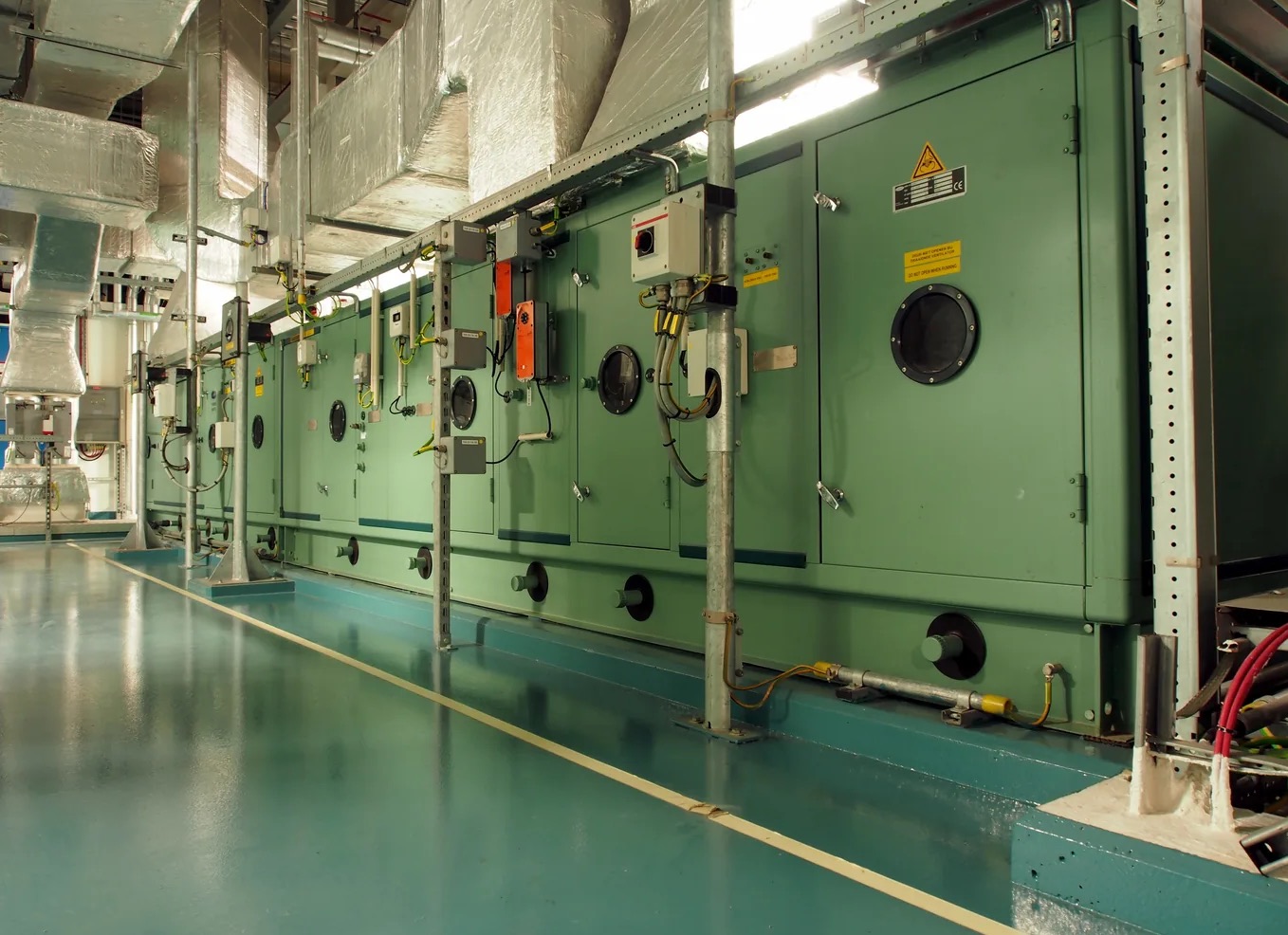
HVAC Leak Water Removal Solutions in Stanley
An HVAC leak that is still running in Stanley has to be stopped first. A coil or drain line can put out gallons of water, and it lands on ceilings, floors and belongings.
When an HVAC leak occurs in Stanley, water needs to come out quickly to protect interior finishes and electrical systems. Local water removal pros serve this community and nearby areas like Luray, Shenandoah and Elkton, extracting water around the unit and drying wet ductwork before damage spreads.
HVAC Leak Water Removal Services in Stanley
Moisture Remediation for HVAC Systems
Once the leak stops, dehumidifiers and air movers are placed to dry the air handler closet, nearby ducts and the room, following industry drying standards.
Ductwork Condensation Water Removal
Humid air hitting cold metal ductwork makes it sweat and drip. Cleanup means drying the ducts and the drywall, insulation and flooring under them.
AC Condensate Leak Water Removal
A clogged AC condensate line leaks water around the indoor unit. Local water removal pros extract the pool to protect flooring and the system.
HVAC Cabinet Water Extraction
Water inside an HVAC cabinet sits right next to wiring and the blower. Power is shut off first, then the water is pulled out with small wet vacuums made for tight spaces.
Coil Leak Water Damage Repair
A pinhole coil leak causes slow, persistent water damage, warping flooring over time. Repair involves water extraction, drying, and addressing damaged subfloor.
When to Consider HVAC Leak Water Removal in Stanley
Water Puddles Under HVAC Unit
Standing water or persistent dampness around the air handler or furnace cabinet often signals an active HVAC leak.
Stained Ceilings or Walls Near Vents
Stains on drywall or ceilings around supply vents often trace back to ducts that are sweating or leaking.
Musty Odors Near Air Vents
A musty smell when the system runs can point to wet insulation or mold inside the unit or ducts.
Reduced Cooling or System Shutdown
An AC that shuts itself off may have a float switch that tripped because the drain pan is full of water.
How HVAC Leak Water Removal Works in Stanley
Step 1: Emergency Assessment and Water Extraction
The pros stop the water at the unit and extract the standing water from the cabinet, the closet floor and any wet carpet.
Step 2: System Inspection and Moisture Mapping
Moisture meters and thermal cameras show where water went, including wet insulation and duct sections, and the drying plan is built from that.
Step 3: Targeted Drying and Dehumidification
Air movers and dehumidifiers are placed to dry the walls, ceiling, floor and duct runs that got wet.
Step 4: Cleaning and Final Verification
Affected surfaces and HVAC components are cleaned. Final moisture readings confirm the area is dry.
What Causes HVAC Leaks Needing Water Removal in Stanley
Improper HVAC System Slope
An air handler or drain line installed without correct pitch prevents gravity-driven water flow to the drain.
High Static Pressure in Ducts
An oversized system or closed vents can upset airflow and drainage, so condensate does not drain as it should.
Excessive Ductwork Condensation
Poorly insulated ducts in humid spaces sweat and drip water into walls, ceilings and insulation.
Obstructed Air Filter or Ducts
Badly restricted airflow lets frost build on the cold coil, and the water floods the pan when it melts.
HVAC Leak Water Removal for Homes & Businesses in Stanley
Residential HVAC Leak Water Removal
In homes, water from a utility closet can reach hardwood floors, cabinets and stored items. The pros dry those materials and wet duct sections near the unit.
Commercial HVAC Leak Water Removal
In commercial buildings, mechanical rooms and the spaces under them are checked for water and dried, with readings recorded for the building manager.
HVAC Leak Water Removal vs. DIY: When to Call Local Pros
After ensuring power is off, you can use a wet-dry vacuum on visible standing water near a leaking AC unit. Be cautious of electrical hazards. You can also set up fans to aid surface drying. Do not remove wet insulation or open sealed ductwork.
Cost Insights for HVAC Leak Water Removal in Stanley
The pros in Stanley price the job based on how long the leak ran and how much it damaged. Wet ducts inside walls or ceilings take extra work to reach.
HVAC System Accessibility
Units in tight closets or attics take more labor to reach, clean around and dry.
Affected Components and Materials
Wet insulation, damaged ductwork or wiring near the flooded unit each add work to the job.
Drying Time and Equipment
The number of days ducts and materials take to dry decides how long the dehumidifiers run.
Does Insurance Cover HVAC Leak Water Removal?
Flooded HVAC unit cleanup may be covered if the water source is a covered peril in your policy, such as overflow from an appliance. The pros provide photos and readings for your insurance claim.
Why Choose Local Pros for HVAC Leak Water Removal in Stanley
Precision Wet Insulation Removal
Wet insulation near the unit is removed so it does not hold water against framing and grow mold.
Structured Dehumidification Strategy
Air movers and dehumidifiers are placed to dry the cabinet area and nearby walls without blowing water further.
Component-Safe Water Removal
Work around the unit is done carefully so coils, wiring and control boards are not damaged further.
Emergency HVAC Leak Water Removal for Stanley Properties
HVAC drain line floods need immediate attention to stop water damage. For HVAC leak cleanup and moisture remediation, contact the experts at (804) 531-4089.
Call Now (804) 531-4089Areas Served for HVAC Leak Water Removal from Stanley
In Stanley and nearby Luray, Shenandoah and Elkton, the pros handle water from HVAC cabinets, drain lines and wet insulation around the unit.
- HVAC Leak Water Removal in Luray
- HVAC Leak Water Removal in Shenandoah
- HVAC Leak Water Removal in Elkton
- HVAC Leak Water Removal in Massanutten
- HVAC Leak Water Removal in McGaheysville
- HVAC Leak Water Removal in Stanardsville
- HVAC Leak Water Removal in Madison
- HVAC Leak Water Removal in Ruckersville
- Emergency Damage Restoration in 22851
- Storm Damage Restoration in 22851
- Water Damage Restoration in 22851
- Water Extraction Service in 22851
- Water Leak Detection in 22851
- Water Removal Service in 22851
HVAC Leak Water Removal FAQ for Stanley Homeowners
How quickly should I address AC unit water damage?
As soon as you see it. Water can reach wiring and soak drywall and insulation, and mold can start within a day or two in wet materials.
What documentation do pros provide for insurance?
The pros take photos and moisture readings and keep a drying log of the cleanup that you can send to your insurer.
Can I run my AC after a condensation leak?
No. Running the system while it leaks can spread water further and cause electrical shorts.
Does HVAC leak water removal prevent mold?
Fast extraction and drying lower the risk a lot. Materials that stay wet longer than a day or two can start to grow mold.
What is HVAC cabinet water extraction?
It means removing water that has pooled inside the metal cabinet around the furnace or air handler, which protects the blower motor and controls.