Midlothian, VA · Chesterfield County
HVAC Leak Water Removal in Midlothian, VAEmergency HVAC Leak Cleanup & Ductwork Condensation Water Removal
HVAC Leak Water Removal in Midlothian includes emergency HVAC leak cleanup, wet insulation removal near HVAC and coil leak water damage repair.
Answered 24/7
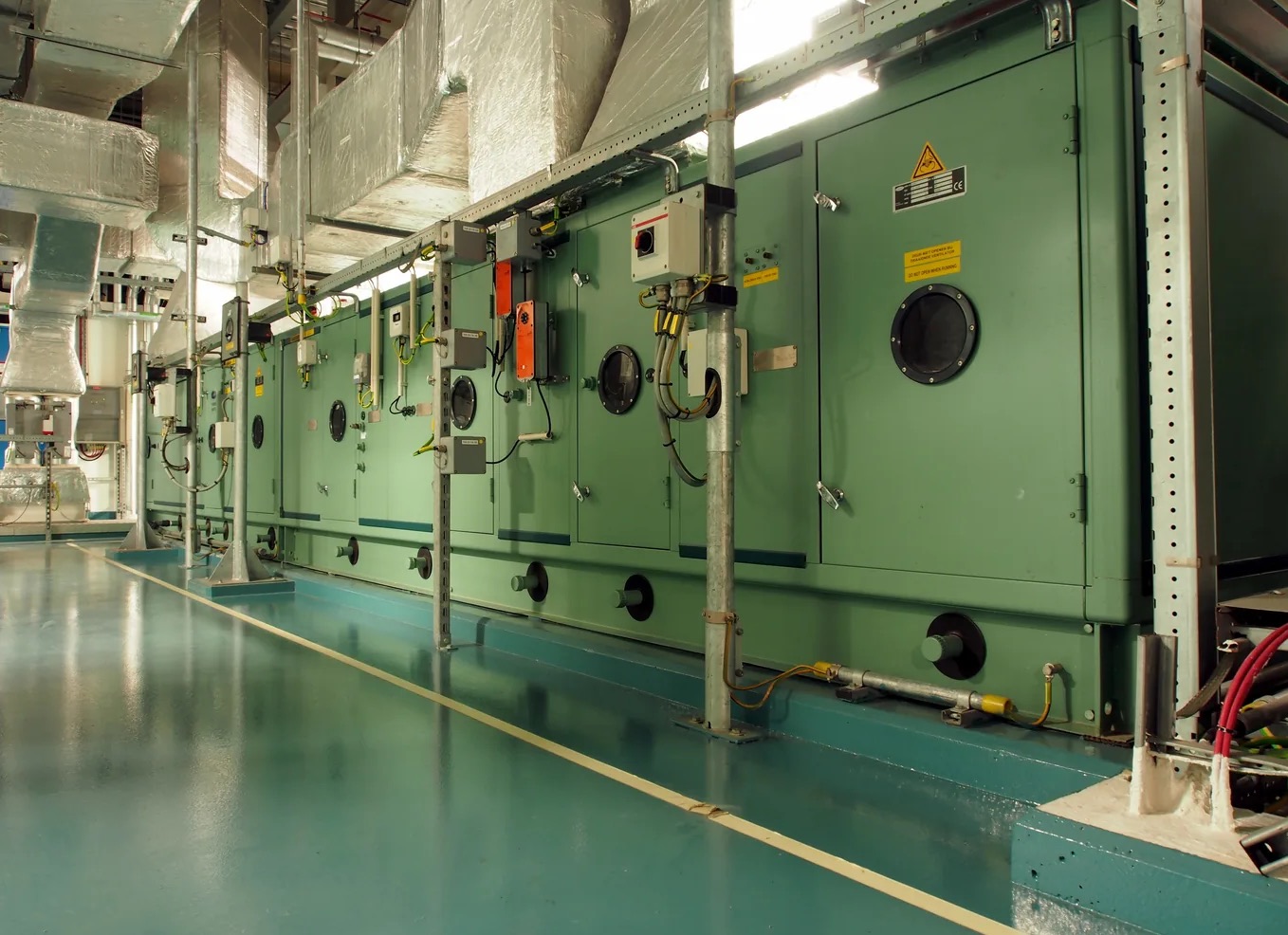
Professional HVAC Leak Water Removal in Midlothian, VA
Most air conditioner water damage in Midlothian starts with a clogged drain line or a cracked pan. The leak is often slow, so drywall, flooring and insulation soak for days before anyone sees a stain.
When an HVAC leak occurs in Midlothian, water needs to come out quickly to protect interior finishes and electrical systems. Local water removal pros serve this community and nearby areas like Brandermill, Bon Air and Woodlake, extracting water around the unit and drying wet ductwork before damage spreads.
Complete HVAC Leak Water Removal Services for Midlothian
Emergency HVAC Leak Cleanup
An AC leak soaking drywall or flooring triggers emergency cleanup protocols. Restoration pros extract water and begin structural drying.
Ductwork Condensation Water Removal
Condensation on ductwork in a crawlspace creates a damp, mold-conducive environment. Cleanup requires removing moisture from ducts and the space.
HVAC Drain Line Flood Cleanup
A broken drain line can flood a mechanical room or closet. The water is contained and extracted before it reaches flooring and equipment nearby.
Wet Insulation Removal Near HVAC
Saturated insulation near the HVAC unit loses R-value and can foster mold. Removal is often necessary for a proper dry-out.
AC Condensate Leak Water Removal
A failing condensate pump or disconnected line can flood a mechanical closet. This requires urgent HVAC leak water removal.
Signs You Require HVAC Leak Water Removal in Midlothian
AC Drain Line Overflowing
Water spilling from the condensate drain line or its overflow port means the drain is blocked and needs attention now.
Musty Odors Near Air Vents
A musty smell when the system runs can point to wet insulation or mold inside the unit or ducts.
Wet or Sagging Insulation Nearby
Damp insulation around an attic unit or in nearby walls holds water against the drywall and framing.
Mold on Air Handler
Visible mold on the unit, the ducts or nearby drywall usually means water has been there for a while.
How HVAC Leak Water Removal Works in Midlothian
Step 1: Source Identification and Stop
The first step is finding out whether the water came from a drain clog, a coil leak or sweating ducts, then stopping the flow.
Step 2: AC Unit Water Damage Mitigation
Water is extracted from the drain pan, the cabinet and any flooded parts of the unit.
Step 3: Coil Leak Water Damage Repair
If the coil itself is leaking, an HVAC contractor handles the repair, and the pros dry the water it released.
Step 4: Documentation and Monitoring
Photos and moisture logs are kept throughout the job for your records and your insurance claim.
Typical Reasons for HVAC Leak Water Removal in Midlothian
Improper HVAC System Slope
An air handler or drain line installed without correct pitch prevents gravity-driven water flow to the drain.
Excessive Ductwork Condensation
Poorly insulated ducts in humid spaces sweat and drip water into walls, ceilings and insulation.
Frozen Evaporator Coil Thawing
A coil freezing due to low refrigerant or airflow can release large volumes of water upon thawing.
Clogged Condensate Drain Line
Algae, sludge, or debris blocking the primary drain pipe causes water to back up into the HVAC cabinet.
HVAC Leak Water Removal for All Properties in Midlothian
Residential HVAC Leak Water Removal
In homes with basements or a second-floor unit, an overflow can soak finished rooms below. The water is extracted and the ceiling, walls and floor are dried.
Commercial HVAC Leak Water Removal
In commercial buildings, the pros tackle HVAC drain line flood cleanup affecting server rooms, drop ceilings, and stock areas. They use industrial extractors and dehumidifiers for extraction and structural drying.
HVAC Leak Water Removal vs. DIY: When to Call Local Pros
After ensuring power is off, you can use a wet-dry vacuum on visible standing water near a leaking AC unit. Be cautious of electrical hazards. You can also set up fans to aid surface drying. Do not remove wet insulation or open sealed ductwork.
Cost Insights for HVAC Leak Water Removal in Midlothian
The cost of HVAC leak cleanup depends on how easy the unit and ducts are to reach. The amount of wet insulation that has to come out is one of the biggest factors.
Extent of Water Spread
Water from a leaking AC can travel along ducts and inside walls, which makes the drying area larger.
Leak Source and Severity
Whether the leak came from a drain line, the coil or the pan changes how much water there is and where it went.
HVAC System Accessibility
Units in tight closets or attics take more labor to reach, clean around and dry.
Does Insurance Cover HVAC Leak Water Removal?
Flooded HVAC unit cleanup may be covered if the water source is a covered peril in your policy, such as overflow from an appliance. The pros provide photos and readings for your insurance claim.
Reasons to Hire Local Pros for HVAC Leak Water Removal in Midlothian
Comprehensive Leak Source Identification
The pros trace the water to the drain line, coil or pan, so the right trade can fix the cause.
Focused on System Integrity
The goal is a dry unit area and dry materials around it, so the system can run safely again.
Precision Wet Insulation Removal
Wet insulation near the unit is removed so it does not hold water against framing and grow mold.
24/7 Emergency HVAC Leak Water Removal in Midlothian
HVAC drain line floods need immediate attention to stop water damage. For HVAC leak cleanup and moisture remediation, contact the experts at (804) 531-4089.
Call Now (804) 531-4089HVAC Leak Water Removal Service Area Around Midlothian
Wet ductwork and HVAC leak water are dried in Midlothian and in nearby Brandermill, Bon Air and Woodlake, for homes and businesses.
- HVAC Leak Water Removal in Brandermill
- HVAC Leak Water Removal in Bon Air
- HVAC Leak Water Removal in Woodlake
- HVAC Leak Water Removal in Tuckahoe
- HVAC Leak Water Removal in Meadowbrook
- HVAC Leak Water Removal in Chesterfield
- HVAC Leak Water Removal in Bensley
- HVAC Leak Water Removal in Bellwood
- Emergency Damage Restoration in 23112
- Storm Damage Restoration in 23112
- Water Damage Restoration in 23112
- Water Extraction Service in 23112
- Water Leak Detection in 23112
- Water Removal Service in 23112
- Emergency Damage Restoration in 23113
- Storm Damage Restoration in 23113
HVAC Leak Water Removal FAQs
Does HVAC leak water removal prevent mold?
Fast extraction and drying lower the risk a lot. Materials that stay wet longer than a day or two can start to grow mold.
How long does wet ductwork drying typically take?
It depends on how much water there is and how easy it is to reach. Most jobs take two to four days of drying with commercial equipment.
How is moisture removed from HVAC ductwork?
Air movers and dehumidifiers dry the area around the ducts. Duct sections or lining that stayed wet may need cleaning or replacing by an HVAC contractor.
What is involved in HVAC leak water removal?
Stopping the leak, extracting standing water, drying the ducts, cabinet area, walls and floor, and checking for hidden moisture with meters.
After HVAC system water cleanup, what repairs are needed?
Beyond drying, repairs might include unclogging or replacing a drain line, replacing wet insulation, and servicing the HVAC unit.