Trusted by 155+ Homeowners
HVAC Leak Water Removal in Henrico, VA
- Over 159 5-Star Reviews
- Free Estimates and Quotes
- 100% Satisfaction Guaranteed
- Child, Family & Pet Safe Steps
- 24-Hour Emergency Service
- Fully Licensed & Insured
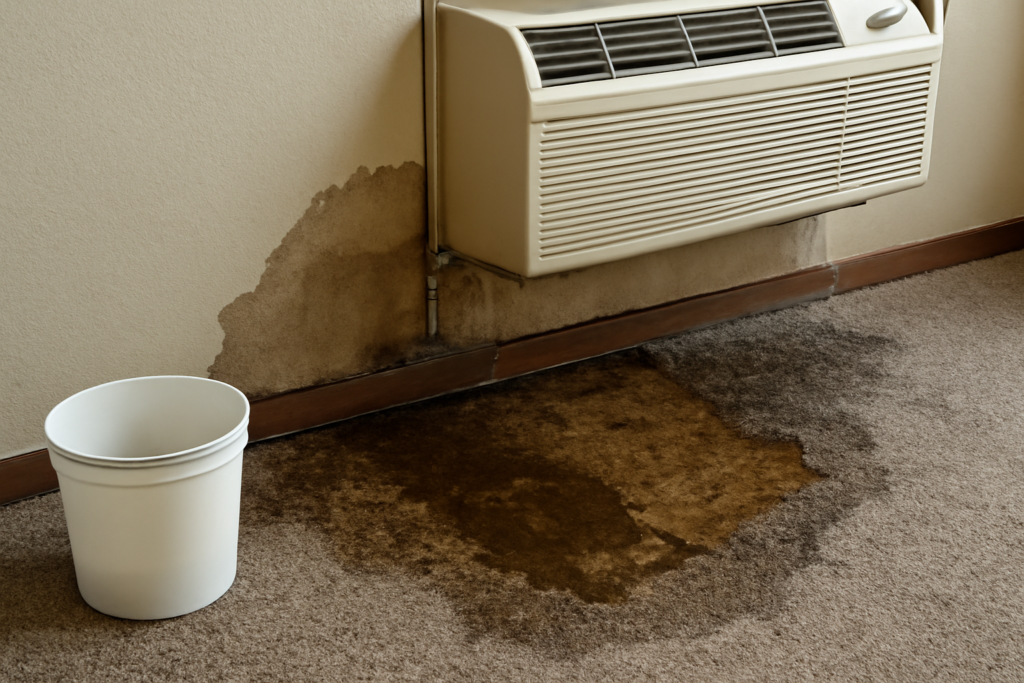
Did You Know? 40% of Homeowners in Henrico, VA Don’t Realize Their HVAC System Can Cause Water Damage
Water from your HVAC system isn’t always obvious. It can start as a small drip and become a major problem quickly. You might not notice it until it’s too late. That’s why it’s important to act fast when you see signs of water damage. Our team specializes in HVAC Leak Water Removal and knows exactly what to do. Don’t wait, the longer you ignore it, the more damage it can cause. Your home deserves quick and effective help.
Over 165+ five-star reviews from homeowners in Henrico, VA say the same thing: our team is fast, reliable, and knows how to handle HVAC water issues. We understand that water from your HVAC system isn’t just an inconvenience, it can lead to mold, structural damage, and higher repair costs. That’s why we focus on getting the job done right the first time. You don’t have to deal with this alone.
- Quick Response We start working within 60 minutes of your call to prevent further damage. Expert Equipment We use high-powered extractors and air movers to remove water fast. Local Knowledge We know the best ways to handle HVAC leaks in your neighborhood.
How This Service Actually Works
Removing water from your HVAC system isn’t just about mopping up. It needs careful inspection, proper tools, and a step-by-step plan. If you rush the process, you risk leaving moisture behind, which can lead to mold growth. That’s why we follow a strict procedure. We don’t just fix the leak, we make sure your system is safe and dry. It’s about long-term results, not just quick fixes.
Step 1: Inspection and Assessment
Our technicians arrive at your home and conduct a full inspection of the HVAC system. They look for the source of the leak and assess the extent of the damage. This step helps us create a plan that’s right for your situation. We use moisture meters and thermal imaging to find hidden water. Getting this right is the first step to a successful repair.
Step 2: Water Removal
Once we know where the water is, we start removing it. We use high-powered extractors to pull out standing water. We also use air movers to speed up the drying process. This step is crucial to prevent mold and further damage. The faster we act, the better the outcome. You’ll see results in just a few hours.
Step 3: Drying and Dehumidification
After the water is gone, we focus on drying out the affected areas. We use industrial-grade dehumidifiers and air movers to remove any remaining moisture. This step can take 3-5 days depending on the size of the area. It’s important to get this right, moisture left behind can cause problems later. We monitor the progress every day to make sure everything is drying properly.
Step 4: Cleaning and Sanitizing
Once the area is dry, we clean and sanitize all surfaces. This helps remove any bacteria or mold that may have formed. We use EPA-approved cleaning solutions to make sure your home is safe. This step is especially important if the water was from a contaminated source. We take the time to make sure everything is spotless and ready for use.
Step 5: Final Inspection and Repair
Before we leave, we do a final inspection to make sure everything is in order. We check for any remaining moisture and ensure the HVAC system is working properly. If there’s damage to the system, we make the necessary repairs. We want you to feel confident that your home is safe and dry. No job is complete until we know it’s done right.
If you think your HVAC system is leaking, don’t wait. The sooner you act, the less damage it can cause. We’ll get to your home quickly and handle everything from start to finish. Your home deserves the best care possible. Don’t let a small leak turn into a big problem.

Warning Signs You Need HVAC Leak Water Removal
Ignoring water leaks from your HVAC system can lead to serious issues. The longer you wait, the more damage it can do. That’s why it’s important to watch for signs that something is wrong. Catching these early can save you money and prevent bigger problems down the road. If you see any of these signs, it’s time to call a professional.
Musty Odors That Won’t Go Away
A damp, moldy smell in your home is a sign of hidden water. It can come from your HVAC system if there’s moisture trapped inside. This isn’t just a bad smell, it’s a health hazard. You need to address it before it spreads. Mold can grow quickly in the right conditions.
Water Puddles Near Your HVAC Unit
If you see water pooling around your HVAC unit, that’s a red flag. It could mean there’s a leak in the system or a clogged drain. Water sitting in one place can lead to mold and structural damage. Don’t ignore it, it’s a sign that something is wrong. You need to get it checked out right away.
Increased Humidity Inside Your Home
If your home feels more humid than usual, it could be a sign of a leak. HVAC systems help control humidity, so a sudden change is a warning. You might notice condensation on windows or dampness in your walls. This can lead to mold and other issues. It’s best to have it inspected before it gets worse.
Strange Sounds From Your HVAC System
Unusual noises from your HVAC system can mean there’s a problem. Gurgling, dripping, or hissing sounds can point to water buildup or leaks. These sounds shouldn’t be ignored. They can show a serious issue that needs attention. Fixing it early can prevent more damage and higher repair costs.
Visible Mold or Mildew
If you see mold or mildew near your HVAC system, that’s a clear sign of moisture. It can grow in ducts, vents, or around the unit itself. Mold is a health risk and can spread quickly. You need to act fast to remove it and fix the source of the leak. It’s not just a cosmetic issue, it’s a serious problem.
Higher Than Normal Energy Bills
If your energy bills are rising without a clear reason, it could be due to a leak in your HVAC system. A leaking system has to work harder to keep your home comfortable. This can lead to higher energy use and wear on the system. Fixing the leak can save you money in the long run. It’s a sign that something isn’t right.
HVAC Leak Water Removal vs. DIY: When To Call a Professional
| Situation | DIY? | Call a Pro? | Why |
|---|---|---|---|
| Small drip from HVAC unit | Yes | No | It’s a sign of a larger issue and can lead to more damage. |
| Standing water around the unit | No | Yes | It needs immediate attention to prevent mold and structural damage. |
| Musty smell in the house | No | Yes | It could be mold from hidden water that needs professional cleaning. |
| Water dripping from vents | No | Yes | It’s a sign of a leak that needs inspection and repair. |
| Unusual noise from HVAC system | No | Yes | It could be a serious issue that needs expert attention. |
| Condensation on windows | No | Yes | It can lead to mold and is a sign of underlying water problems. |
Some issues can be handled on your own, but others need professional help. If you’re not sure, it’s always better to call a pro. Water from your HVAC system can cause serious damage if not addressed properly. You don’t want to risk your home or your health. A professional can find the problem and fix it before it gets worse.
HVAC Leak Water Removal Cost In Henrico, VA
Costs for HVAC Leak Water Removal in Henrico, VA vary depending on the size of the job and the extent of the damage. You can expect to pay anywhere from $500 to $2,500 for basic water removal. The price goes up if there’s mold, structural damage, or if the system needs repairs. These are estimates, not guarantees. Your situation will find out the exact cost.
| Service | Typical Price Range | What Affects Cost |
|---|---|---|
| Initial Inspection and Assessment | $100 – $300 | The size of your home and the complexity of the system. |
| Water Extraction | $200 – $800 | The amount of water and how quickly it’s removed. |
| Drying and Dehumidification | $500 – $1,500 | The length of time needed and the equipment used. |
| Mold Removal and Sanitizing | $300 – $1,200 | The extent of mold growth and the areas affected. |
| System Repairs and Reinstallation | $200 – $1,000 | The type of repairs needed and the condition of the unit. |
| Final Inspection and Cleanup | $100 – $400 | The level of detail and any more work needed. |
Exact pricing depends on an on-site assessment. We offer free estimates so you know what to expect. You don’t have to worry about hidden costs or surprises. We work with you to make sure the job is done right and within your budget.
Service Areas Near Henrico, VA
Henrico, Midlothian, Short Pump, Forest Hill, Varina, Mechanicsville, Chesterfield, Richmond, Columbia, Goochland, Hanover, Petersburg, Colonial Heights, Newport News, Virginia Beach, Roanoke, Lynchburg, Salem, Harrisonburg, and Charlottesville.
Common Questions About HVAC Leak Water Removal
How Much Does HVAC Leak Water Removal Cost in Henrico, VA?
The cost of HVAC Leak Water Removal in Henrico, VA depends on the size of the job and the extent of the damage. You can expect to pay anywhere from $500 to $2,500 for basic water removal. The price goes up if there’s mold, structural damage, or if the system needs repairs. We offer free estimates so you know what to expect. You don’t have to worry about hidden costs or surprises. We work with you to make sure the job is done right and within your budget.
How Long Does HVAC Leak Water Removal Take?
Removing water from your HVAC system can take anywhere from 3 to 5 days, depending on the size of the area and the amount of moisture. The first 24-48 hours are the most critical. We start by removing the water and then focus on drying out the affected areas. You’ll see results quickly, but it’s important to finish the job properly. We monitor the progress every day to make sure everything is drying properly.
Can Water From an HVAC System Cause Mold?
Yes, water from your HVAC system can lead to mold growth if not addressed quickly. Mold thrives in damp, warm environments, and your HVAC system can create the perfect conditions. If you see a musty smell or notice mold on surfaces, it’s a sign that there’s an underlying issue. We handle mold removal as part of the process to make sure your home is safe. It’s better to act fast and prevent further damage.
What Equipment Do You Use for HVAC Leak Water Removal?
We use high-powered extractors to remove standing water and industrial-grade air movers to speed up the drying process. We also use dehumidifiers to remove moisture from the air. These tools help us dry out the affected areas quickly and thoroughly. We don’t cut corners, we use the best equipment to make sure your home is safe and dry. It’s about long-term results, not just quick fixes.
How Can I Prevent HVAC Leaks From Happening Again?
Preventing HVAC leaks starts with regular maintenance. We recommend checking your system at least once a year to make sure everything is working properly. You should also clean the drain lines and check for clogs. If you notice any signs of water damage, don’t wait, call a professional right away. It’s better to fix small issues before they become big problems. We can help you keep your system running smoothly and safely.
Check Our Other Relevant Services
Serving Henrico, VA And Nearby Areas