Stafford, VA · Stafford County
Desiccant Dehumidification in Stafford, VAFlood Drying Services & Crawl Space Drying
Desiccant Dehumidification in Stafford covers flood drying services, crawl space drying and emergency dehumidification.
Answered 24/7
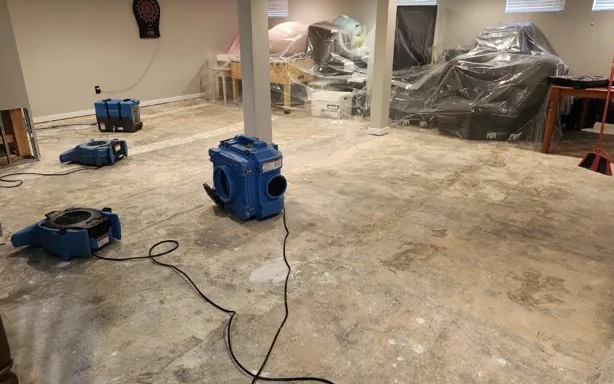
Expert Desiccant Dehumidification for Stafford Properties
Construction projects in Stafford can trap moisture in new concrete, drywall mud and framing. Flooring and finishes may fail if laid over damp materials.
A flood in a large Stafford building can need high-capacity drying. Local desiccant dehumidification experts serve Stafford and nearby Aquia Harbour, Falmouth and Fredericksburg, with help available around the clock.
Desiccant Dehumidification Methods Used in Stafford
Flood Drying Services
Floodwater is treated as contaminated, so soaked porous materials are removed and surfaces cleaned before drying starts.
Crawl Space Drying
Water is removed from the crawl space first, then desiccant drying brings humidity down so the framing can dry.
Emergency Dehumidification
Emergency dehumidification starts as soon as standing water is removed, which limits swelling, warping and odor.
Mold Prevention Drying
In contained work areas, desiccant dehumidifiers keep the air dry while damaged materials are removed and framing is cleaned.
Construction Drying Services
Construction drying speeds up schedules by lowering humidity so slabs and drywall reach the moisture levels flooring and paint need.
Warning Signs You Need Desiccant Dehumidification in Stafford
Musty Smell in Stored Items
Boxes and fabrics that smell musty show the space has stayed damp too long.
Peeling Paint or Wallpaper
Paint or wallpaper that peels after a leak has moisture behind it that has not dried.
Visible Condensation on Windows
Windows that fog or drip inside show the air holds too much moisture for materials to dry.
Efflorescence on Masonry Surfaces
White, powdery deposits on masonry show water moving through concrete or block.
How Desiccant Dehumidification Works in Stafford
Step 1: First Call and Setup
Help is available any hour, and drying equipment is set up as soon as standing water is removed.
Step 2: Dry Air Environment
The space is closed off so dehumidifiers can bring humidity down quickly.
Step 3: Continuous Moisture Removal
Equipment runs around the clock, pulling moisture from walls, floors and framing.
Step 4: Restoration Verification
Readings are compared to unaffected dry areas before any equipment is removed from the site.
Sources of Moisture Requiring Desiccant Dehumidification in Stafford
Groundwater Rise After Heavy Rains
Groundwater rising after long rains keeps crawl spaces and lower levels damp.
Foundation Cracks and Seepage
Foundation cracks let groundwater seep into lower levels, keeping walls and floors damp.
Poor Ventilation in Enclosed Areas
Closed, poorly ventilated spaces trap moisture and dry very slowly after water damage.
HVAC System Condensation Issues
Clogged AC drain lines overflow into attics, closets and the ceilings below them.
Desiccant Dehumidification for All Property Types in Stafford
Residential Desiccant Dehumidification
Homes with wet attics after roof leaks may need attic drying equipment placed carefully on boards for safe footing.
Commercial Desiccant Dehumidification
Schools, offices and medical buildings may schedule equipment setup and removal after hours to limit disruption to staff and visitors.
Desiccant Dehumidification vs. DIY: When to Call the Pros
Opening windows only helps on dry, breezy days. Commercial dehumidifiers keep drying no matter what the weather outside is doing, which makes them more reliable.
Investing in Desiccant Dehumidification for Stafford Properties
In Stafford, starting drying right after a leak or flood usually shortens the job and lowers the total equipment cost.
Time of Response
Night, weekend and holiday setup can cost more than a scheduled weekday visit.
Type of Water Damage
Floodwater and sewage need cleaning and removal of materials before drying, which adds cost.
Affected Area Size
Larger affected areas need more drying units and more air movers running at once.
Does Insurance Cover Desiccant Dehumidification?
Many homeowner policies cover drying after sudden water damage, like a burst pipe, but not long-term humidity or groundwater problems. Check your policy and call your insurer early.
The Value of Local Pros for Desiccant Dehumidification in Stafford
Structural Drying
Walls, floors and framing are dried, not just the air in the room.
Industry Drying Standards
Drying follows industry water damage standards, with readings taken at every visit.
Targeted Drying
Equipment is placed for the specific materials and spaces that are wet.
Emergency Desiccant Dehumidification Response for Stafford
The sooner drying starts, the fewer materials need replacing. Call (804) 531-4089 for desiccant dehumidification in Stafford right after a leak or flood.
Call Now (804) 531-4089Desiccant Dehumidification Near Stafford: Areas Served
Need desiccant dehumidification outside Stafford? Service also covers Aquia Harbour, Falmouth and Fredericksburg, including emergency drying after hours.
- Desiccant Dehumidification in Aquia Harbour
- Desiccant Dehumidification in Falmouth
- Desiccant Dehumidification in Fredericksburg
- Desiccant Dehumidification in Quantico
- Desiccant Dehumidification in Dumfries
- Desiccant Dehumidification in Montclair
- Desiccant Dehumidification in Dale City
- Desiccant Dehumidification in Woodbridge
- Emergency Damage Restoration in 22430
- Storm Damage Restoration in 22430
- Water Damage Restoration in 22430
- Water Extraction Service in 22430
- Water Leak Detection in 22430
- Water Removal Service in 22430
- Emergency Damage Restoration in 22554
- Storm Damage Restoration in 22554
Frequently Asked Questions About Desiccant Dehumidification
What equipment is used for commercial building drying?
High-capacity desiccant or refrigerant dehumidifiers, air movers, moisture meters and sometimes ducting to direct dry air.
Can desiccant dehumidification help prevent mold?
Yes. Lowering humidity and drying materials quickly is one of the main ways to keep mold from starting.
Why use desiccant drying after a fire?
Firefighting water soaks large areas, and high-capacity drying helps remove that moisture once debris is cleared.
What areas can benefit from moisture control services?
Crawl spaces, lower levels, attics, large commercial spaces and any room where materials got wet.
What happens after desiccant dehumidification is complete?
Final readings are recorded, equipment is removed and the space is ready for repairs or finishes.