Highland Springs, VA · Henrico County
Desiccant Dehumidification in Highland Springs, VAFirefighting Water Drying & Construction Drying Services
Desiccant Dehumidification in Highland Springs includes water damage dehumidification, construction drying services and mold prevention drying.
Answered 24/7
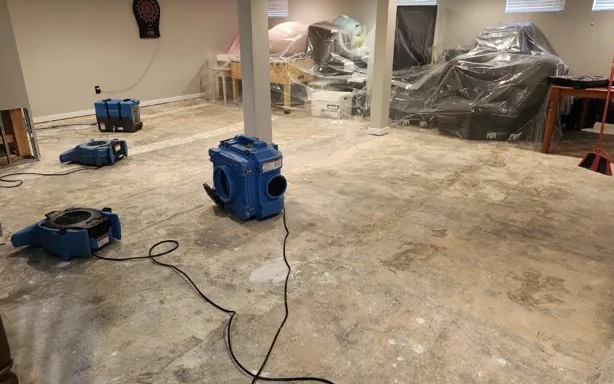
Local Desiccant Dehumidification Services for Highland Springs
After water damage in Highland Springs, dry air pulls moisture out of wet materials. The drier the air, the faster walls, floors and framing give up their water.
In Highland Springs, Sandston, Montrose and East Highland Park, builders sometimes need slabs and drywall dried before flooring goes in. The pros lower humidity on the job site to speed that up.
Desiccant Dehumidification Methods Used in Highland Springs
Firefighting Water Drying
Firefighting water can soak several rooms at once. Large drying setups remove that moisture so repairs can begin.
Construction Drying Services
Construction drying speeds up schedules by lowering humidity so slabs and drywall reach the moisture levels flooring and paint need.
Mold Prevention Drying
Drying an area quickly after affected materials are removed limits regrowth. Desiccant units help reach low humidity in closed work areas.
Water Damage Dehumidification
After a leak or flood, dehumidifiers remove moisture from the air so wet drywall, wood and carpet can dry out.
Flood Drying Services
Floodwater is treated as contaminated, so soaked porous materials are removed and surfaces cleaned before drying starts.
Symptoms Requiring Desiccant Dehumidification in Highland Springs
Active Mold Spots
Dark spots appearing on walls or ceilings mean materials stayed damp long enough for mold.
Cold, Damp Feeling in Air
Air that feels cold and damp, especially in lower levels, can be too cool for standard dehumidifiers to work well.
Strong Damp Odor in Rooms
A damp smell that stays in a room after cleanup means materials there are still holding moisture.
Wet Insulation in Attics or Walls
Insulation that is wet in attics or walls holds water against framing and slows drying.
How Desiccant Dehumidification Works in Highland Springs
Step 1: Initial Damage Inspection
Humidity and moisture readings are taken across the affected area to set the drying plan.
Step 2: Deployment of Drying Equipment
Desiccant or standard dehumidifiers and air movers are placed based on the space and readings.
Step 3: Monitored Drying Cycle
Readings are logged daily, and equipment is moved or adjusted as each material dries.
Step 4: Completion and Clearance
Final readings confirm materials are dry, and the space is cleared for repairs.
What Leads to Humidity Damage Needing Desiccant Dehumidification in Highland Springs
Severe Weather and Storm Flooding
Storms and flooding soak lower levels and leave large volumes of wet material.
Fire Suppression System Activation
Fire sprinklers and firefighting water soak large areas of a building at once.
HVAC System Condensation Issues
Clogged AC drain lines overflow into attics, closets and the ceilings below them.
Roof Leaks From Damaged Shingles
Roof leaks from damaged shingles soak attic insulation, roof decking and the ceilings below.
Desiccant Dehumidification for Homes & Businesses in Highland Springs
Residential Desiccant Dehumidification
Homeowners with damp basements may need desiccant drying after a flood because cool concrete and air slow standard units.
Commercial Desiccant Dehumidification
Warehouses with large slabs and stock need humidity kept low during drying to protect inventory and dry the concrete.
Desiccant Dehumidification vs. DIY: When to Call the Pros
For a small spill in a warm room, a household dehumidifier and fan may be enough. Call local drying pros if drywall, flooring or framing got wet or the space is cool and damp.
Desiccant Dehumidification Cost in Highland Springs, VA
The cost of desiccant dehumidification in Highland Springs depends on the size of the wet area, how wet the materials are and how long the equipment needs to run.
Affected Area Size
Larger affected areas need more drying units and more air movers running at once.
Type of Water Damage
Floodwater and sewage need cleaning and removal of materials before drying, which adds cost.
Time of Response
Night, weekend and holiday setup can cost more than a scheduled weekday visit.
Does Insurance Cover Desiccant Dehumidification?
Construction drying on a new build is usually a project cost rather than an insurance claim. Ask your builder how it is handled.
Advantages of Hiring Local Pros in Highland Springs for Desiccant Dehumidification
Damage Assessment
The full affected area is checked, including rooms next to and below the source.
Prevention of Mold
Fast, complete drying is one of the main ways to keep mold from starting after water damage.
Targeted Drying
Equipment is placed for the specific materials and spaces that are wet.
24/7 Emergency Desiccant Dehumidification in Highland Springs
Water damage that needs drying in Highland Springs? Call (804) 531-4089 to get dehumidifiers and air movers in place. Help is available 24/7.
Call Now (804) 531-4089Desiccant Dehumidification Coverage for Highland Springs and Beyond
Help with desiccant dehumidification reaches Sandston, Montrose and East Highland Park, plus other communities around Highland Springs, for houses, apartments and large buildings.
- Desiccant Dehumidification in Sandston
- Desiccant Dehumidification in Montrose
- Desiccant Dehumidification in East Highland Park
- Desiccant Dehumidification in Mechanicsville
- Desiccant Dehumidification in Lakeside
- Desiccant Dehumidification in Henrico
- Desiccant Dehumidification in Dumbarton
- Desiccant Dehumidification in Short Pump
Frequently Asked Questions About Desiccant Dehumidification
How are moisture levels monitored during drying?
With hygrometers for air and moisture meters for drywall, wood and concrete, checked every day.
How do rapid drying methods protect my property?
They dry materials before they swell, warp or grow microbes, which keeps repairs smaller.
What equipment is used for commercial building drying?
High-capacity desiccant or refrigerant dehumidifiers, air movers, moisture meters and sometimes ducting to direct dry air.
How does a desiccant dehumidifier work differently?
It passes air over a material that absorbs moisture instead of cooling the air, so it keeps working in cool conditions.
When is desiccant dehumidification a better choice than refrigerant units?
In cool spaces, very large areas or when very low humidity is needed to dry dense materials.