Lakeside, VA · Henrico County
Damage Restoration Services in Lakeside, VAStorm Damage Repair & Emergency Water Extraction
After a storm, help with damage restoration services in Lakeside means storm damage repair, emergency water extraction and structural drying services.
Answered 24/7
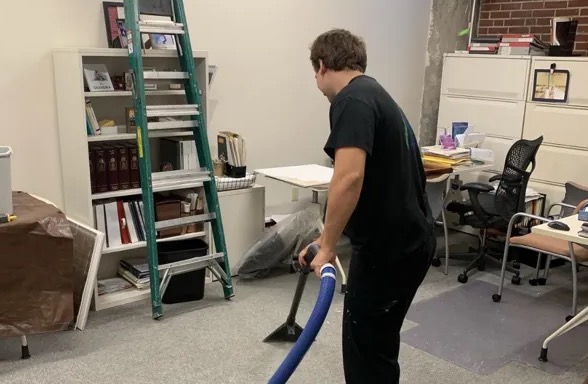
Local Damage Restoration Services for Lakeside Homes and Businesses
Hidden water is the most common thing people miss after damage in Lakeside. Water runs under flooring, inside walls and into the ceiling below, and the surface can look dry within hours.
A storm or burst pipe in Lakeside can damage several rooms overnight. Local water damage restoration specialists serve Lakeside and nearby Dumbarton, Laurel and Henrico, with help around the clock.
Comprehensive Damage Restoration Services in Lakeside
Storm Damage Repair
Storm water from outside is treated as contaminated, so soaked porous materials are removed before drying.
Emergency Water Extraction
Standing water from a leak, overflow or flood is pumped and extracted from floors, carpet and low spots as soon as the source is stopped.
Fire Sprinkler Water Cleanup
Rooms that got wet but not burned are dried quickly so they do not develop odors or water stains.
Firefighting Water Cleanup
After a fire is put out, the water used by firefighters soaks floors, walls and ceilings. That water is extracted and the structure is dried.
Smoke Damage Cleanup
Soot on walls, ceilings and contents is removed with dry sponges and cleaners matched to the residue, and smoke odor is treated at its source.
Red Flags for Emergency Damage Restoration Services
Discolored Walls or Ceilings
Stains or discoloration on walls and ceilings show water soaking in from a leak nearby or above.
Unexplained Musty Odors
A musty smell with no clear source often means hidden moisture in walls, floors or the ceiling.
Visible Mold Colonies
Dark spots on walls, ceilings or carpet backing mean an area has stayed wet for days.
High Indoor Humidity Levels
A home that feels humid and clammy may have wet materials releasing moisture.
How Damage Restoration Services Work in Lakeside
Step 1: Damage Assessment and Documentation
The source is stopped, the wet area is mapped and photos record the damage before work starts.
Step 2: Water Removal
Standing water is pumped and extracted from floors, carpet and low spots to help limit further soaking.
Step 3: Structural Drying
Air movers and dehumidifiers dry walls, floors and framing, with readings taken every day.
Step 4: Contents and Property Care
Belongings are cleaned or set aside, and the structure is readied for repairs once dry.
Common Causes of Property Water Damage in Lakeside
Firefighting Water
Water from hoses and sprinklers used to put out a fire soaks rooms throughout the building.
HVAC Condensation Issues
Clogged AC condensate lines overflow into closets, attics and the ceilings below them.
Plumbing System Failures
Burst pipes, failed fittings and leaking supply lines release water inside walls and floors.
Foundation Cracks and Seepage
Foundation cracks let groundwater seep into lower levels and finished spaces after heavy rain.
Damage Restoration Services for Every Building Type
Residential Damage Restoration Services
Homeowners often worry most about belongings. Furniture and keepsakes are moved out of the water first, then the structure is dried.
Commercial Damage Restoration Services
Property managers with several units or buildings get separate records for each, which keeps repairs and claims organized.
The Risks of DIY Damage Restoration Services Attempts
Do not walk into standing water if outlets or cords are submerged. Turn off power at the panel only if you can reach it from a dry spot, then call (804) 531-4089.
What Affects the Price of Damage Restoration Services
Repairs to drywall, flooring and roofs are separate from water removal and drying. In Lakeside, they follow once the structure is dry.
Content Restoration Scope
Moving, cleaning and storing furniture and belongings adds labor and time to the job.
Post-Restoration Repairs
Drywall, flooring and other repairs after drying are separate from the water removal cost.
Material Disposal Needs
Contaminated or ruined materials must be bagged and disposed of, which adds handling fees.
Does Insurance Cover Damage Restoration Services?
Insurers often ask what caused the water and when it started. Notes on the source and the damage pattern help answer those questions.
Why Choose Local Pros for Damage Restoration Services in Lakeside
Contents Care
Furniture and belongings are moved, protected and listed so they can be dried or claimed.
24/7 Emergency Response
Help is available day or night, so water is removed before it spreads further.
Odor Control
Odors are handled by drying and removing wet materials, with deodorizing where needed.
Round-the-Clock Damage Restoration Services Response in Lakeside
Water damage in Lakeside? Shut off the source, turn off power to wet areas if safe and call (804) 531-4089. Help is available 24/7.
Call Now (804) 531-4089Damage Restoration Services Coverage for the Lakeside Region
Other places served are listed below, each with its own page.
- Damage Restoration Services in Dumbarton
- Damage Restoration Services in Laurel
- Damage Restoration Services in Henrico
- Damage Restoration Services in Glen Allen
- Damage Restoration Services in East Highland Park
- Damage Restoration Services in Bensley
- Damage Restoration Services in Highland Springs
- Damage Restoration Services in Montrose
Frequently Asked Damage Restoration Services Questions
Can wet attic insulation be restored or must it be replaced?
Soaked insulation is usually removed and replaced once the attic framing and ceiling below are confirmed dry.
How long does the structural drying process usually take?
Often several days, depending on the materials, how long they were wet and how much water there was.
Is sewage backup cleanup dangerous to attempt myself?
It can be. Sewage carries bacteria, so cleanup needs protective gear, containment and disinfection.
How do I prepare while waiting for water damage help?
Shut off the water, turn off power to wet areas if safe, move valuables and take photos.
What safety steps are used when removing water-damaged materials?
Containment, protective gear and air scrubbers keep dust and contamination in the work area.