Lovingston, VA · Nelson County
Contaminated Water Removal in Lovingston, VASewage Backup Water Removal & Gray Water Damage Cleanup
Get contaminated water removal in Lovingston for sewage water cleanup, sewage backup water removal and gray water damage cleanup.
Answered 24/7
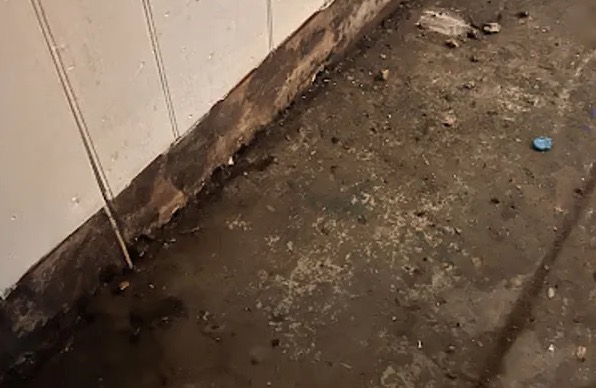
Expert Contaminated Water Removal for Lovingston Homes and Businesses
Drying contaminated materials does not make them clean. In Lovingston, running fans on sewage-soaked carpet or drywall spreads odor and contamination through the house.
In Lovingston, Nellysford, Amherst and Afton, heavy storms can overload sewer systems and push dirty water into homes. The pros handle that water safely and dry the space.
Comprehensive Contaminated Water Removal Offerings in Nelson County
Sewage Backup Water Removal
Sewage cleanup follows a set order: contain, extract, remove porous materials, clean and disinfect, then dry.
Gray Water Damage Cleanup
Gray water from washing machines, dishwashers or sink drains is extracted, and the floors and cabinets it reached are cleaned before drying.
Contaminated Carpet Removal
The subfloor under removed carpet is cleaned, disinfected and dried before new flooring goes down.
Flooded Basement Cleanup
Below-grade spaces dry slowly, so dehumidifiers run until the slab and walls test dry after cleaning.
Black Water Extraction
Black water, such as sewage or outside floodwater, is extracted with protective gear, and everything it touched is cleaned or removed.
Signs of Contaminated Water Damage in Lovingston
Black Water After Heavy Rains
Water that flowed in from outside after heavy rain carries soil and contaminants and is treated as black water.
Persistent Wet Carpet Issues
Carpet that stays wet and smells sour after a leak may have turned contaminated over time.
Visible Sewage in Carpet
Carpet with visible waste, debris or brown staining has absorbed contaminated water and must be removed.
Discolored Water in Basement
Dark or cloudy water in a basement often carries soil, sewage or debris from outside.
How Contaminated Water Removal Works in Lovingston
Step 1: Emergency Assessment and Containment
Water use is stopped, power is made safe and the area is sealed off with plastic sheeting.
Step 2: Contaminated Water Extraction
Workers in protective gear extract the water and remove solids and debris.
Step 3: Deep Cleaning and Disinfection
Porous materials such as carpet and drywall are removed, and hard surfaces are scrubbed and disinfected.
Step 4: Drying and Moisture Control
Air movers, dehumidifiers and air scrubbers dry the structure, with readings taken daily.
Common Causes of Contaminated Water in Lovingston
Severe Sewer Line Blockages
Tree roots, grease and debris block sewer lines and push wastewater back into the home.
Industrial or Chemical Spills
Spills of fuel, oil or chemicals can mix with water and spread across floors and soil.
Septic Tank Backups
A full or failing septic system sends wastewater back up through the lowest drains.
Sump Pump Overwhelm or Failure
A sump pump that fails or is overwhelmed lets dirty groundwater rise into the basement.
Both Residential & Commercial Contaminated Water Removal in Lovingston
Residential Contaminated Water Removal
Homeowners need to know what can be saved. Hard furniture can often be cleaned, while mattresses, upholstery and carpet soaked by sewage are usually discarded.
Commercial Contaminated Water Removal
Property managers in multi-unit buildings often see backups that affect several units on a shared line. Each unit is cleaned and documented separately.
Professional Contaminated Water Removal Over DIY in Lovingston, VA
For a small gray water spill on tile caught right away, gloves, a mop and a disinfectant are enough. Call local water damage pros for sewage, floodwater or any spill that reached carpet or drywall.
Cost Considerations for Contaminated Water Removal in Lovingston
The cost of contaminated water removal in Lovingston depends on the type of contamination, how far it spread and how much material must be removed.
Required Drying Time
Drying after cleaning can take several days, and each day of equipment adds cost.
Water Source and Volume
A large volume of water, or water from several sources, adds pumping and cleanup time.
Access Complexity
Crawl spaces, basements and tight areas take longer to reach and clean safely.
Does Insurance Cover Contaminated Water Removal?
Photograph the water, the source and damaged belongings before cleanup starts, and keep receipts for emergency extraction, disposal and any hotel stay.
The Value of Local Pros for Contaminated Water Removal in Nelson County
Moisture Mapping
Meters show where contaminated water spread under flooring, into walls and toward other rooms.
Detailed Damage Documentation
Photos, removal lists and drying logs are kept to support your insurance claim.
Contaminant Handling
Each type of contamination is handled with the right protective gear and cleaning products.
Emergency Contaminated Water Removal Response for Lovingston, VA
Night, weekend or holiday, local water damage pros handle contaminated water in Lovingston. Call (804) 531-4089 to get the water out and the area cleaned safely.
Call Now (804) 531-4089Contaminated Water Removal Near Lovingston: Areas Served
Nearby areas served for contaminated water removal include Nellysford, Amherst and Afton, with the same containment and cleanup steps used in Lovingston.
- Contaminated Water Removal in Nellysford
- Contaminated Water Removal in Amherst
- Contaminated Water Removal in Afton
- Contaminated Water Removal in Stuarts Draft
- Contaminated Water Removal in Scottsville
- Contaminated Water Removal in Waynesboro
- Contaminated Water Removal in Fishersville
- Contaminated Water Removal in Ivy
- Emergency Damage Restoration in 22949
- Storm Damage Restoration in 22949
- Water Damage Restoration in 22949
- Water Extraction Service in 22949
- Water Leak Detection in 22949
- Water Removal Service in 22949
FAQ on Contaminated Water Removal for Lovingston Properties
Can microbial growth be avoided after contaminated water damage?
Usually, if contaminated materials are removed and the structure is dried quickly after cleaning.
What equipment is used for contaminated water removal?
Pumps and extractors, protective gear, disinfectants and air scrubbers, plus dehumidifiers, air movers and moisture meters for drying.
What happens during the drying phase after cleanup?
Air movers and dehumidifiers dry the cleaned structure, and readings are taken daily until it is normal.
What are dehumidification services used for after contaminated water?
Drying walls, floors and framing after cleaning, so cleaned surfaces do not stay damp.
What is involved in sewage backup cleanup?
Containing the area, extracting the sewage, removing soaked carpet and drywall, disinfecting surfaces and drying.