Dumbarton, VA · Henrico County
Commercial Water Removal in Dumbarton, VAIndustrial Facility Drying Services & Commercial Carpet Water Extraction
Commercial Water Removal in Dumbarton covers office water damage cleanup, warehouse flood water extraction and commercial carpet water extraction.
Answered 24/7
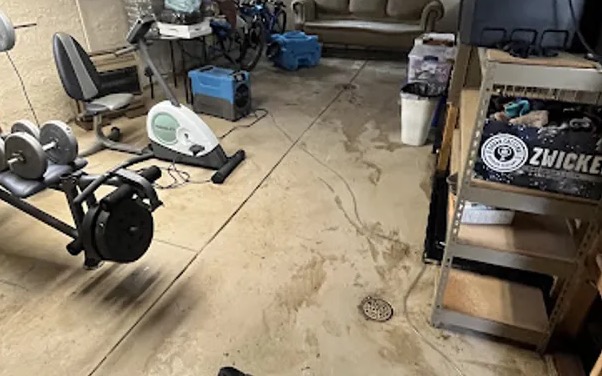
Professional Commercial Water Removal in Dumbarton, VA
In Dumbarton, the first hours after a commercial flood decide how long the building will be closed. Water left on slabs and carpet tiles soaks walls and stock, and the drying time grows.
Property managers in Dumbarton can call (804) 531-4089 day or night when water floods a building. Service also covers Henrico, Lakeside and Laurel, including after-hours and weekend work.
Industrial and Commercial Water Removal in Dumbarton
Industrial Facility Drying Services
Drying in industrial spaces works around equipment, pits and high ceilings, with readings taken across the floor each day.
Commercial Carpet Water Extraction
Commercial carpet and carpet tiles are extracted with high-capacity units, and tiles that released from the slab are noted for replacement.
Apartment Complex Flood Cleanup
Units below the source are checked for ceiling and wall damage, and every affected unit gets its own readings and photos.
Warehouse Flood Water Extraction
Water on a warehouse slab is pumped and squeegeed toward drains, then the rest is extracted with high-capacity units.
Office Water Damage Cleanup
Wet drywall at the base of office partitions is opened and dried, and ceiling tiles that soaked up water are taken down.
Do You Need Commercial Water Removal in Dumbarton?
Water Around Foundation
Water collecting near the foundation outside can seep into lower floors and below-grade rooms.
Malfunctioning Electrical Systems
Lights, outlets or equipment that fail near a leak may have water in them. Keep power off and stay clear.
Rusted Metal Fixtures
Rust on metal door frames, shelving or fixtures near the floor points to repeated moisture.
Swollen Cabinets or Furniture
Break room cabinets, desks or furniture that swell at the base have been standing in water.
How Commercial Water Removal Works in Dumbarton
Step 1: Containment and Safety Setup
Wet areas are closed off with barriers and signs, and power to affected equipment is made safe.
Step 2: Water Extraction
Water is extracted from every affected floor, starting with the areas the business needs first.
Step 3: Drying Phase
Drywall bases are opened, wet ceiling tiles removed and drying equipment placed throughout.
Step 4: Post-Restoration Documentation
Photos, readings and contents lists are compiled into a report for owners and insurers.
Common Causes of Water Damage in Dumbarton
Burst Supply Lines
Supply lines and risers in commercial buildings can burst and flood several floors at once.
Sprinkler System Discharge
Sprinkler heads and lines can discharge or leak, soaking offices, classrooms or stock quickly.
Window and Door Seal Failure
Worn seals on storefront glass, windows and doors let rain into lobbies and sales floors.
Sewer Line Backups
A blocked sewer line can back up through restrooms and floor drains on the lowest level.
Commercial Water Removal in Dumbarton
Residential Water Removal
In a house, the main concerns are the family's safety, their belongings and getting rooms usable again while the home dries.
Commercial Water Removal
In schools, restaurants and medical buildings, health rules and schedules shape the work, and some areas must be cleaned and checked before they reopen.
The Limits of DIY for Commercial Water Removal in Dumbarton
You can stop the source, take photos and close off the wet area. Removing water from slabs, carpet tiles and walls across a building needs commercial-scale equipment and drying.
What Influences Commercial Water Removal Cost in Dumbarton?
In Dumbarton, fast water removal usually lowers the total by shortening drying time and reducing how much drywall, carpet and stock must be replaced.
Drying Time Required
Slabs and dense materials can take several days to dry, and equipment time adds up.
Content Handling
Moving, protecting and listing stock, furniture and records adds labor to the job.
Affected Square Footage
Large floors, multiple suites or several stories need more equipment, more labor and more time.
Does Insurance Cover Commercial Water Removal?
Photograph damaged stock, equipment, furniture and building areas before cleanup starts, and keep receipts for emergency water removal and after-hours work.
Advantages of Hiring Local Pros for Commercial Water Removal in Dumbarton
Clear Communication
Owners and managers get plain updates on progress, closed areas and expected reopening dates.
Industry Methods
Water removal and drying follow industry water damage standards, with readings taken at every visit.
Contents Handling
Stock, furniture and records are moved, protected and listed before and during the work.
24-Hour Emergency Commercial Water Removal for Dumbarton Businesses
The faster water is removed, the sooner your building reopens. Call (804) 531-4089 for commercial water removal in Dumbarton as soon as you find the water.
Call Now (804) 531-4089Areas Served for Commercial Water Removal Near Dumbarton
Commercial water removal also covers businesses and multi-family buildings in Henrico, Lakeside and Laurel, close to Dumbarton.
Your Commercial Water Removal Questions Answered
What equipment is used for industrial facility drying services?
High-capacity dehumidifiers, large air movers, pumps and moisture meters, sized for open floors and high ceilings.
Can business operations continue during office flood restoration?
Often, yes. Wet zones are closed off and work can be scheduled after hours so dry areas stay in use.
How is drying progress monitored in industrial flood cleanup?
Readings are taken across the floor and walls every day, and equipment is moved as each zone dries.
What should I do while waiting for commercial water removal?
Shut off the source, move stock and electronics, keep people away from wet electrical areas and take photos.
Is odor a concern after retail store water removal?
It can be. Removing wet materials and drying fully usually prevents odors, and any remaining smell is traced and treated.