Lovingston, VA · Nelson County
Basement Water Removal in Lovingston, VASump Pump Failure Water Cleanup & Emergency Basement Flooding
After a burst pipe or storm, Basement Water Removal in Lovingston means basement water pump out, basement wall drying and basement drying services.
Answered 24/7
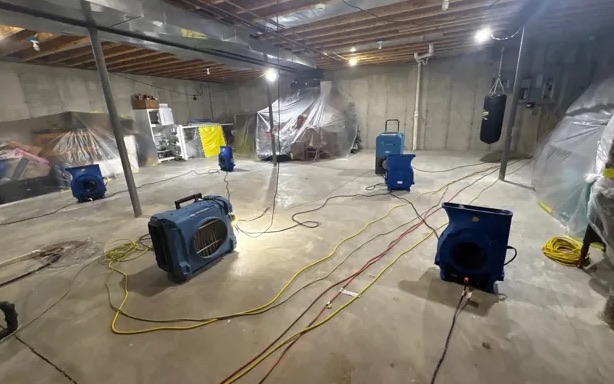
Reliable Basement Water Removal Near Lovingston, Virginia
Basement Water Removal in Lovingston protects more than the floor. Furnaces, water heaters, washers and stored belongings in the basement can all be damaged by standing water.
A finished basement or lower level in Lovingston or Nellysford, Amherst and Afton can hide water under flooring and behind drywall. The pros find and remove it before it causes lasting damage.
Specialized Basement Water Removal for Lovingston
Sump Pump Failure Water Cleanup
Cleanup after a sump failure includes drying the area around the pit and noting whether the pump, switch or power was the cause.
Emergency Basement Flooding
Emergency response starts with making power safe, stopping the source if possible and pumping out the water.
Basement Wall Drying
Concrete and block walls dry with directed airflow and dehumidification, which pull water out of the masonry.
Basement Dehumidification
After drying, a household dehumidifier may still be needed to keep basement humidity in a healthy range.
Basement Floor Water Damage
Water on a basement floor soaks into carpet pad, laminate seams and the concrete itself. Floor coverings are lifted where needed so the slab can dry.
Common Symptoms Requiring Basement Water Removal
Sump Pump Failure or Overflow
A sump pit that is full, overflowing or has a pump that will not start means water is about to spread.
Wet or Damp Basement Walls
Basement walls that look dark, feel damp or show tide lines are taking on or holding water.
Rusted Appliances or Furniture
Rust on appliance bases, furniture legs or metal shelving points to standing water or long-term dampness.
Soggy or Wet Carpeting
Carpet that feels damp or smells sour is holding water in the pad against the concrete.
How Basement Water Removal Works in Lovingston
Step 1: Safety Assessment and Pump Out
Electrical hazards are checked, then deep water is pumped outside away from the foundation.
Step 2: Content Removal and Damage Documentation
Wet belongings are moved, and photos record the water level and damaged materials.
Step 3: Targeted Water Removal and Drying
Carpet is extracted, wet drywall is cut back and air is aimed at walls and the slab.
Step 4: Sanitization and Moisture Control
Surfaces touched by dirty water are disinfected, and dehumidifiers keep humidity low.
Why Basements Flood in Lovingston
Window Well Leaks and Drainage
Window wells without drains or covers fill with rain and leak through the windows.
Sewer Line Backups and Blockages
A blocked sewer line can push wastewater up through basement floor drains and toilets.
Clogged or Damaged Gutters
Clogged gutters and short downspouts dump roof water right next to the foundation.
Plumbing Leaks or Pipe Bursts
Supply lines, drain pipes and water heaters in the basement can leak or burst onto the floor.
House and Business Basement Water Removal in Lovingston
Residential Basement Water Removal
In homes, a wet basement often means damaged carpet, drywall and stored belongings, plus a furnace or water heater sitting in water. Water is pumped out and the space dried.
Commercial Basement Water Removal
In commercial buildings, basements often house mechanical rooms and storage. Water is removed so systems can be checked to determine whether they can be restarted safely.
Basement Water Removal vs. DIY: When to Call the Pros
Do not step into basement water if cords, outlets or appliances are in it. Shut off power at the panel only if you can reach it from a dry spot, then call (804) 531-4089.
What Influences the Price of Basement Water Removal
A basement pumped out the same day in Lovingston usually needs less drywall and flooring replaced than one left wet for days.
Time of Service
Night, weekend and storm calls can cost more than a scheduled weekday visit.
Additional Services
Antimicrobial treatment, contents cleaning and repairs after drying add to the cost.
Drying Time Required
Basements dry slowly, and each extra day of equipment adds to the total.
Does Insurance Cover Basement Water Removal?
Photos, moisture readings and drying logs from local water damage pros help support an insurance claim for basement water damage in Lovingston.
Why Choose Local Pros for Basement Water Removal in Lovingston
Contamination Safety Protocols
Sewage and dirty water are handled with protective gear, containment and disinfection.
Advanced Drying Equipment
Pumps, extractors and large dehumidifiers remove water much faster than household tools.
Detailed Damage Documentation
Photos, readings and drying logs are kept to support your insurance claim.
24/7 Emergency Basement Water Removal in Lovingston
If water is near outlets, the furnace or the electrical panel, stay out of it. Call (804) 531-4089 for help in Lovingston and wait for power to be made safe.
Call Now (804) 531-4089Basement Water Removal Serving Lovingston and Surroundings
Besides Lovingston, local water damage pros handle basement pump-outs, wall drying and dehumidification in nearby Nellysford, Amherst and Afton.
- Basement Water Removal in Nellysford
- Basement Water Removal in Amherst
- Basement Water Removal in Afton
- Basement Water Removal in Stuarts Draft
- Basement Water Removal in Scottsville
- Basement Water Removal in Waynesboro
- Basement Water Removal in Fishersville
- Basement Water Removal in Ivy
- Emergency Damage Restoration in 22949
- Storm Damage Restoration in 22949
- Water Damage Restoration in 22949
- Water Extraction Service in 22949
- Water Leak Detection in 22949
- Water Removal Service in 22949
Basement Water Removal in Lovingston: Your Questions
How does a basement moisture inspection work?
Moisture meters and thermal cameras check walls, floors and the slab, including behind finished walls and under flooring.
What is involved in basement leak cleanup?
Stopping the leak, extracting the water, drying the floor and walls and checking for hidden moisture under flooring.
What is the difference between a pump out and extraction?
A pump out removes deep standing water. Extraction pulls the remaining water from carpet, pad and floors.
How is basement wall drying done?
Wet drywall is cut back, insulation removed and directed airflow and dehumidifiers dry the studs and masonry.
Can wet drywall in a basement be saved?
Sometimes, if the water was clean and removed quickly. Soaked or contaminated drywall is cut out above the water line.