Sandston, VA · Henrico County
Basement Water Damage Restoration in Sandston, VABasement Drying Services & Basement Wall Drying
Basement Water Damage Restoration in Sandston includes emergency basement flood cleanup, basement sewer backup cleanup and basement wall drying.
Answered 24/7
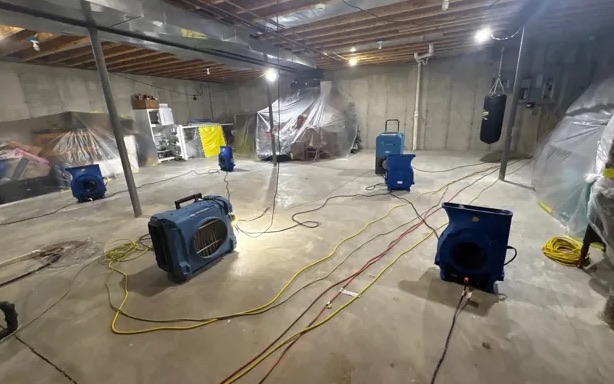
Basement Water Damage Restoration Solutions in Sandston, Virginia
In a Sandston home with a basement and a sump pump, a pump that fails during heavy rain lets water rise fast. Furnaces, water heaters, washers and stored belongings all sit at floor level and take the damage first.
In Sandston, a home with a basement or below-grade room can flood after heavy rain or a blocked sewer line. Local restoration pros serve Sandston, Highland Springs, Montrose and East Highland Park, pumping out water and drying finished and unfinished spaces.
Basement Water Damage Restoration Services in Sandston
Basement Drying Services
Drying a basement takes longer than drying an upper floor because the air is cool and the concrete holds moisture.
Basement Wall Drying
Finished basement walls hide wet insulation and framing. Removing the bottom of the drywall lets air reach the cavity.
Basement Floor Water Removal
Wet carpet pad is removed from basement floors, since it holds water against the concrete and dries poorly.
Basement Water Extraction
Submersible pumps remove deep standing water, then portable extractors pull water from carpet, pad and the concrete floor.
Basement Dehumidification
A basement with no moisture problem before the flood may still need a dehumidifier afterward while the concrete dries.
When to Consider Basement Water Damage Restoration for Your Sandston Home
Wet or Stained Basement Walls
Dark, wet patches or tide lines on basement walls show where water seeped in or wicked up.
Damp or Musty Odors
A damp, earthy or musty smell in the basement often means hidden moisture in walls, carpet or the slab.
Sewage Odors or Backups
Sewage smells or water coming up through a floor drain mean the sewer line is backing up.
Mold on Surfaces
Dark spots on drywall, framing or stored boxes mean the area has stayed wet for days.
How Basement Water Damage Restoration Works in Sandston
Step 1: Source Control and Extraction
The pipe is shut off, the sump restarted or the backup stopped, then the water is pumped out.
Step 2: Structural Drying Setup
Lower drywall is removed where soaked, and equipment is placed to dry wall cavities and the slab.
Step 3: Contaminant Removal
Materials touched by sewage or dirty water are removed and hard surfaces are cleaned and disinfected.
Step 4: Monitoring and Completion
Daily readings track drying until every material is normal, then equipment is removed.
What Causes Basement Water Damage Restoration in Sandston
HVAC Condensate Line Overflow
A clogged furnace or air conditioner condensate line can overflow onto the floor of a basement or lower-level utility room.
Sump Pump Mechanical Failure
A sump pump that fails, loses power or is too small lets groundwater rise into the basement.
Stormwater Runoff Into Lower Levels
Heavy rain running off hard ground or a sloped yard can pour down stairwells and under doors into below-grade rooms.
Window Well Flooding
Window wells without drains or covers fill with rain and leak through basement windows.
Home and Business Basement Water Damage Restoration in Sandston
Residential Basement Water Damage Restoration
Finished basements used as living space need carpet, pad and lower drywall checked carefully. Soaked materials are removed so the walls and slab can dry.
Commercial Basement Water Damage Restoration
Businesses with below-grade storage need inventory moved out of the water quickly. Wet stock is separated and documented for insurance.
Basement Water Damage Restoration: Professional Help vs. Doing It Yourself in Sandston
Sewage in a basement should not be cleaned up without gloves, boots and eye protection. For any backup through a floor drain or toilet, call local restoration pros.
Factors Affecting Basement Water Damage Restoration Cost in Sandston
The cost of basement water damage restoration in Sandston depends on how much water there is, whether it is clean or sewage and how much finished material must be removed.
Emergency Service
Night, weekend and storm calls can cost more than a scheduled visit.
Drying Time Required
Basements dry slowly, and longer drying means more equipment days and monitoring visits.
Dehumidification Needs
Large dehumidifiers may need to run longer in below-grade spaces than in upper floors.
Does Insurance Cover Basement Water Damage Restoration?
Many homeowner policies cover sudden basement water from a burst pipe, but not seepage or groundwater. Sewer backup coverage is often a separate add-on, so check your policy.
Reasons to Hire Local Pros for Basement Water Damage Restoration in Sandston
24/7 Emergency Response
Help is available day or night when water is rising in the basement.
Containment Strategies
Plastic sheeting keeps contaminated areas separate from clean parts of the house.
Detailed Documentation
Photos, readings and drying logs are kept to support your insurance claim.
Round-the-Clock Emergency Basement Water Damage Restoration in Sandston
If water is near outlets or the electrical panel, do not walk into it. Call (804) 531-4089 for help in Sandston and wait for the power to be made safe.
Call Now (804) 531-4089Basement Water Damage Restoration Near Sandston: Areas Served
Nearby areas served for basement water damage restoration include Highland Springs, Montrose and East Highland Park, with the same pumping and drying steps used in Sandston.
- Basement Water Damage Restoration in Highland Springs
- Basement Water Damage Restoration in Montrose
- Basement Water Damage Restoration in East Highland Park
- Basement Water Damage Restoration in Bensley
- Basement Water Damage Restoration in Mechanicsville
- Basement Water Damage Restoration in Dumbarton
- Basement Water Damage Restoration in Short Pump
- Basement Water Damage Restoration in Tuckahoe
- Emergency Damage Restoration in 23150
- Storm Damage Restoration in 23150
- Water Damage Restoration in 23150
- Water Extraction Service in 23150
- Water Leak Detection in 23150
- Water Removal Service in 23150
Basement Water Damage Restoration FAQs
How long does below-grade drying take after a flood?
Often several days or longer, since concrete and cool basement air dry slowly. Daily readings show progress.
What is involved in basement water damage restoration?
Pumping out water, removing soaked materials, cleaning contaminated areas, drying walls, framing and concrete, and dehumidifying until readings are normal.
Does basement mold prevention need special steps after flooding?
Fast drying is the main step. Wood and concrete that stayed wet can be treated with an antimicrobial once dry.
Should I try below-grade waterproofing myself after flooding?
Sealing a small crack can be a DIY job, but drying must come first, and larger waterproofing work should go to a contractor.
Why is dehumidification so important after basement water removal?
Basements hold moisture in the air and concrete. Without dehumidifiers, walls and framing stay damp long after the water is gone.