Richmond, VA · Greater Richmond
Attic Damage Restoration in Richmond, VARoof Leak Water Cleanup & Attic Pipe Leak Cleanup
Attic Damage Restoration in Richmond covers attic water extraction, wet attic insulation removal and roof leak water cleanup.
Answered 24/7
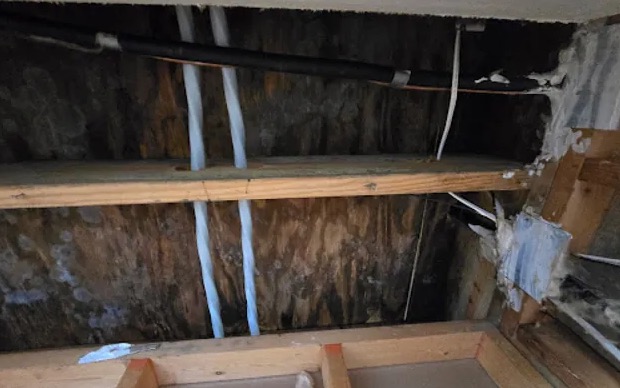
Attic Damage Restoration Services in Richmond, Virginia
After a storm, water can get into the attic at vents, flashing and damaged roofing. It may enter at several points at once.
From Richmond to East Highland Park, Montrose and Lakeside, attic water damage follows the same pattern: find the wet area, remove soaked insulation, dry the framing and record it for the insurer.
What Attic Damage Restoration Covers in Richmond
Roof Leak Water Cleanup
After a roof leak is tarped or repaired, the decking, rafters and ceiling below still hold water. Air movers and dehumidifiers dry them before rot or mold can start.
Attic Pipe Leak Cleanup
Supply lines, water heater lines and drain vents that run through attics can crack or loosen. The pros help isolate the leak, remove the water and dry the framing around it.
Emergency Attic Drying Services
Air movers and dehumidifiers are placed to push dry air across wet decking and joists. Readings are taken daily until the wood is back to normal.
Wet Attic Insulation Removal
Insulation soaked by a leak is removed only where it got wet. The area is marked and listed so the right amount can be replaced once the attic is dry.
Attic Sheathing Drying
Rafters and joists hold water deep in the wood after a leak. Pin meters show when the wood is dry inside, not just on the surface.
Visible Signs of Attic Water Damage
Peeling Paint on Upper Ceilings
Bubbling or peeling paint on top-floor ceilings is a common sign of moisture in the attic above.
Dripping From Light Fixtures or Vents
Water from a ceiling fixture or vent means it is already in the ceiling. Turn off that circuit and call for help.
Dark or Damp Roof Decking
Dark patches on the underside of the roof decking show where water is getting in or condensation is forming.
Soft or Stained Rafters
Rafters or joists that feel soft or show water lines have been wet for a while and need drying and checking.
How Attic Damage Restoration Works in Richmond
Step 1: Checking the Ceiling Below
The pros look for sagging drywall and wet light fixtures and make the room below safe before going into the attic.
Step 2: Wet Attic Cleanup
Water is removed from the attic floor, and wet insulation is pulled from the leak area and along the water path.
Step 3: Attic Sheathing and Rafter Drying
Air movers aimed at the decking and framing dry the wood while dehumidifiers keep the attic air dry.
Step 4: Documentation
Photos, moisture readings and drying logs are recorded for your insurer and for the roofer or plumber.
Why Attics Get Wet in Richmond
Pipe Leaks in the Attic
Supply lines and water heater lines that run through the attic can crack or loosen and leak for days.
Storm Damage to the Roof
High winds, hail and fallen limbs can open the roof and let wind-driven rain into the attic.
Leaking Vents and Skylights
Worn seals around plumbing vents, roof vents and skylights let water run down into the attic.
Sweating Ductwork
Cold air ducts with damaged insulation can drip condensation onto attic insulation and ceiling drywall.
Home and Business Attic Drying in Richmond
Attic Damage Restoration for Homeowners
After a roof leak, the pros dry the decking, rafters and ceiling once the roof is covered, so the wood does not rot or grow mold.
Attic Damage Restoration for Businesses and Property Managers
Commercial buildings with large attic spaces get moisture mapping across the whole area so every wet section is found and dried.
Handling an Attic Leak Yourself vs. Calling Attic Water Damage Pros
You can take photos of the stain and the attic before cleanup and call your insurer. Removing wet insulation and drying the framing need proper gear and equipment.
Attic Water Damage Repair Cost Factors
After-hours calls may cost more than scheduled work, but waiting lets water spread through more insulation and ceiling.
Insulation Removal
Blown-in insulation that must be vacuumed out and replaced adds labor, disposal and material costs.
Drying Time
Thick decking and rafters can take several days to dry, and equipment cost depends on how long it runs.
Attic Access
Small hatches, low clearance and stored items slow the work and add labor time.
Does Insurance Cover Attic Damage Restoration?
Coverage for attic damage restoration depends on the cause and your policy wording. The pros provide photos, readings and drying logs that support your claim.
Reasons to Call Local Pros in Richmond
Homes and Businesses
The same process works for a house attic or the space above a commercial ceiling.
Proper Insulation Removal
Wet insulation is removed and bagged without spreading it through the house.
Drying Until the Wood Is Dry
Equipment stays until pin meters show the rafters and decking are dry inside, not just on the surface.
24/7 Attic Water Removal in Richmond
A sagging ceiling below the attic can fall without warning. Keep everyone out of the room and call (804) 531-4089 24/7.
Call Now (804) 531-4089Attic Damage Restoration in Richmond and Surrounding Towns
From Richmond to East Highland Park, Montrose and Lakeside, the pros remove wet insulation and dry attics after roof, pipe and AC leaks.
Attic Damage Restoration in Richmond: Your Questions
What causes most attic leaks?
Roof leaks, clogged AC condensate drains, pipe leaks, storm damage and poor venting cause most attic water damage.
Is attic water damage covered by insurance?
Sudden leaks and storm damage are often covered. Slow leaks from worn roofs may not be. Your insurer makes the decision.
Is attic leak cleanup available at night?
Yes. Call (804) 531-4089 any time. Water in a ceiling should be handled as soon as possible.
Does a roof leak always cause attic damage?
Not always. A small, brief leak may only wet a little decking. Most leaks that reach the ceiling have also soaked insulation and framing.
Can mold grow in a wet attic?
Yes. Hot, damp attic wood can start growing mold within a few days, which is why drying matters.