Mineral, VA · Louisa County
Attic Water Removal in Mineral, VAAttic Mold Prevention & Attic Leak Water Cleanup
Attic Water Removal in Mineral runs from roof leak water removal and wet attic insulation removal to ceiling water damage cleanup.
Answered 24/7
Expert Attic Water Removal for Mineral
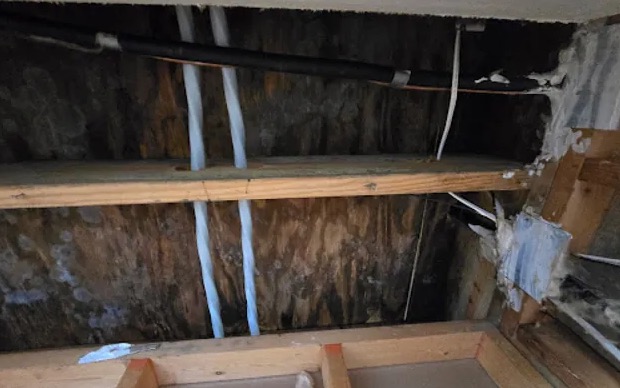
An attic leak is easy to miss and expensive to ignore. In Mineral, water from a roof, pipe or AC pan can soak insulation and decking for weeks, then show up all at once as a stained or sagging ceiling.
In Mineral, attic water calls often start with a ceiling stain after heavy rain or a dripping AC drain. Local attic drying specialists serve Mineral, Louisa, Gordonsville and Orange, removing water and wet insulation and drying the attic.
Specialized Attic Water Removal for Mineral
Attic Mold Prevention
After drying, wood that was wet for more than a day or two can be treated with an antimicrobial to slow microbial growth.
Attic Leak Water Cleanup
Water-stained debris, wet cardboard and soaked stored items are cleared out so the attic floor can be dried.
Wet Attic Insulation Removal
Insulation that got soaked is removed from the wet bays and bagged. Leaving it in place keeps the ceiling drywall damp for weeks.
Ceiling Water Damage Cleanup
After the ceiling cavity is dry, the opening is ready for new drywall, tape and paint.
Emergency Attic Water Extraction
When a storm or a burst pipe floods the attic, help is available any hour to remove the water before the ceiling below fails.
Signs of Attic Water Damage in Mineral
Water Dripping From Light Fixtures
Water dripping from a ceiling light or fan means an active leak above. Turn off that circuit.
Wet or Damp Attic Insulation
Insulation that feels damp, looks dark or has packed down in one area has absorbed water.
Peeling Paint on Ceilings or Walls
Paint that peels or blisters on upstairs ceilings and walls often has water behind it.
Puddles or Standing Water in Attic
Pooled water on the attic floor or on top of drywall needs removal right away.
How Attic Water Removal Works in Mineral
Step 1: Containment and Safety Setup
Power to wet fixtures is shut off and plastic sheeting protects the room below.
Step 2: Roof Leak Water Removal and Cleanout
Rainwater is removed, a tarp is placed over roof damage, and wet debris is cleared.
Step 3: Moisture Evaporation and Attic Drying
Equipment runs on safe footing in the attic, with readings checked each day.
Step 4: Validation of Dry Conditions
Final readings are compared to dry areas to confirm the attic is ready for new insulation.
Why Attics Develop Water Damage
Flashing Failures Around Roof Penetrations
Failed flashing around vents, chimneys and skylights lets rain run into the attic.
Burst or Leaking Plumbing Pipes
Supply lines and drain pipes in the attic can crack or burst onto the ceiling.
Roof Leaks From Damaged Shingles
Cracked, missing or lifted shingles let rain reach the decking and drip into the attic.
Overflow From Clogged Bathroom Exhaust Ducts
Bathroom fan ducts that are loose or vented into the attic release moisture onto the wood.
Both Residential & Commercial Attic Water Removal
Residential Attic Water Removal
Homeowners with stored items in the attic need those moved out first. Wet boxes are dried or discarded before the attic floor is cleaned and dried.
Commercial Attic Water Removal
Offices and stores need the space below protected while attic work is under way. Drying is planned around business hours where possible.
Attic Water Removal vs. DIY: When to Call the Pros
A fan in the room below does little for wet attic wood. Drying the attic takes equipment up there and readings to confirm it is dry.
Factors Influencing Attic Water Removal Cost
Roof or plumbing repair is billed separately from water removal and drying. In Mineral, both are needed after most attic leaks.
Water Contamination Level
Clean rainwater is simpler to handle than water from a drain line or other dirty source.
Drying Time Required
Dense wood framing can take several days to dry, which adds equipment time.
Type of Insulation Affected
Blown-in insulation takes more time to remove than batts, and both add disposal costs.
Does Insurance Cover Attic Water Removal?
Many homeowner policies cover sudden attic leaks from storms or burst pipes, but not damage from worn roofing or slow leaks. Read your policy and call your insurer early.
Benefits of Local Pros for Attic Water Removal
Advanced Moisture Detection
Moisture meters and thermal cameras find wet wood and insulation that look dry.
Source Identification
The pros trace the water to its source and note it for the roofer or plumber.
24/7 Emergency Response
Help is available day or night when water is coming through the ceiling.
Emergency Attic Water Removal Available Anytime
Water dripping through your ceiling in Mineral? Put a bucket under it, move belongings and call (804) 531-4089. Attic water removal is available 24/7.
Call Now (804) 531-4089Communities Served for Attic Water Removal
Each place listed below has its own page with local details.
- Attic Water Removal in Louisa
- Attic Water Removal in Gordonsville
- Attic Water Removal in Orange
- Attic Water Removal in Spotsylvania
- Attic Water Removal in Goochland
- Attic Water Removal in Lake of the Woods
- Attic Water Removal in Wyndham
- Attic Water Removal in Lake Monticello
- Emergency Damage Restoration in 23117
- Storm Damage Restoration in 23117
- Water Damage Restoration in 23117
- Water Extraction Service in 23117
- Water Leak Detection in 23117
- Water Removal Service in 23117
Frequently Asked Questions About Attic Water Removal
Why is emergency attic drying important?
Wet wood and drywall break down quickly. Drying fast saves more of the ceiling and lowers the risk of microbial growth.
How long does attic drying take?
Often several days, depending on how wet the wood is, the attic temperature and how much insulation was removed.
How quickly should I deal with water in my attic?
Right away. Water on top of ceiling drywall soaks in and adds weight, and the ceiling can sag or fall within a day.
What is involved in attic water removal?
Stopping the source, removing pooled water, bagging wet insulation, drying the framing and decking, and checking the ceiling below.
How do professionals dry an attic?
With air movers and dehumidifiers placed on boards across the joists, checking moisture readings daily until the wood is dry.