Trusted by 155+ Homeowners
Thermal Imaging Leak Detection in Appomattox, VA
- Over 159 5-Star Reviews
- Free Estimates and Quotes
- 100% Satisfaction Guaranteed
- Child, Family & Pet Safe Steps
- 24-Hour Emergency Service
- Fully Licensed & Insured
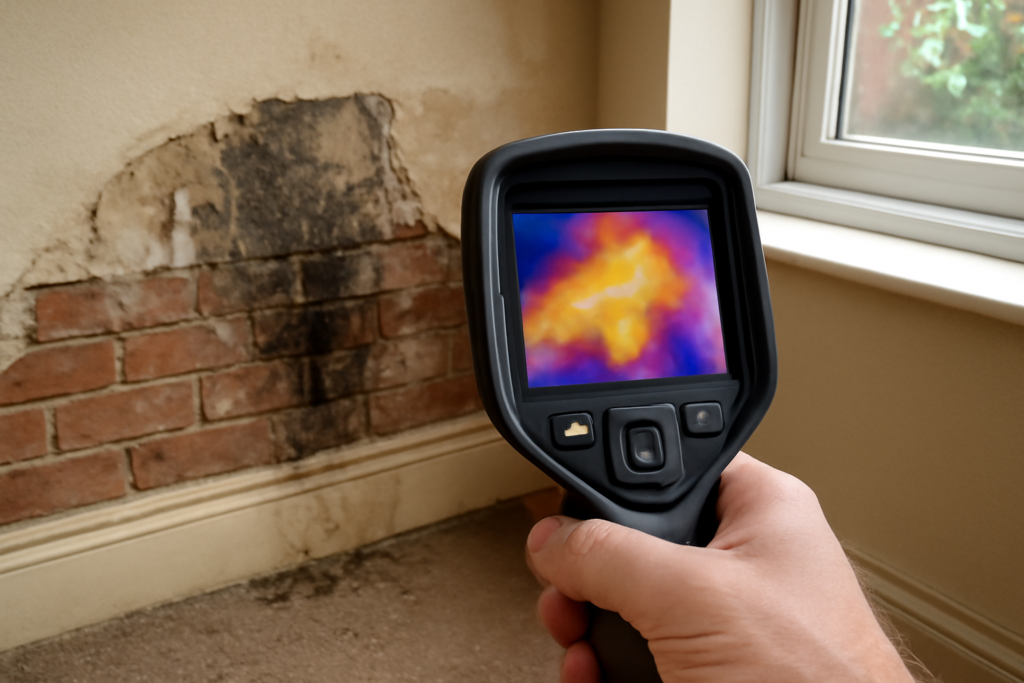
Thermal Imaging Leak Detection in Appomattox, VA
Did you know that 40% of water damage claims in Appomattox, VA involve hidden leaks that go undetected for weeks? That’s a lot of money lost and time wasted. You don’t have to guess where the problem is. Our team uses thermal imaging to find leaks you can’t see. It’s a game-changer for your home and wallet. Don’t let a small issue become a big disaster. Start with a scan today.
Homeowners in your neighborhood trust our work because we’ve handled more than 165 five-star reviews. We know how to move fast and get the job done right. You don’t want to wait for a leak to cause more damage. Our team helps you document the problem and work with your insurance company. It’s about saving you time and money.
- Find hidden leaks quickly Thermal imaging shows where moisture is hiding. No more guessing or tearing up walls.
- Save your home from mold Early detection stops mold from growing. That means less cleanup and fewer health risks.
- Get a clear report for insurance We provide detailed documentation that makes claims easier. You don’t have to fight for what’s yours.
How This Service Actually Works
Thermal imaging isn’t just a quick scan. It’s a precise process that starts with understanding your home. We use high-quality equipment to detect temperature differences that show where water is. This method is faster and more accurate than traditional methods. Skipping steps can lead to missed leaks and more damage down the line. That’s why we do it right the first time.
Step 1: Initial Assessment
Our technicians arrive with a thermal camera and a plan. They look at your home’s layout and any signs of water damage. This step helps us know where to start. It’s a quick but important part of the process. Don’t skip it, it saves time and money later.
Step 2: Thermal Imaging Scan
We use the camera to scan walls, floors, and ceilings. The device shows where temperature changes happen. That’s where moisture is. This step takes about 30 minutes. It’s fast, non-invasive, and gives clear results. You get a real picture of the problem without any guesswork.
Step 3: Locate the Source
Once we find the moisture, we pinpoint the exact source. This could be a pipe, a roof leak, or something else. We use the scan to guide us. This step is where the real work starts. It’s important to find the leak quickly to prevent more damage.
Step 4: Document and Report
We create a detailed report with photos and notes. This helps you understand what’s going on. It’s also useful for insurance claims. We make sure everything is clear and easy to follow. You get a real record of the problem and the steps we took to fix it.
Step 5: Repair and Prevention
Once the leak is found, we work on fixing it. This could be sealing a pipe, replacing damaged materials, or improving drainage. We also offer tips to prevent future leaks. It’s about more than just fixing the problem, it’s about protecting your home.
Don’t wait for the problem to get worse. Call us today and get a scan done. You’ll save money and avoid more damage. It’s worth every penny. Start with a scan and take control of your home’s future.

Warning Signs You Need Thermal Imaging Leak Detection
Ignoring these signs can lead to bigger problems. Water damage gets worse over time. You don’t want to wait until it’s too late. Early detection is key. That’s why we recommend thermal imaging. It finds leaks you can’t see and stops them from causing more harm.
Musty Odors That Won’t Go Away
A damp smell that lingers even after cleaning is a red flag. It means moisture is hiding somewhere. You don’t want that in your home. It can lead to mold and health issues. Thermal imaging finds the source before it spreads.
Wet Spots on Floors or Walls
You see a wet spot but can’t find the leak. That’s a sign of hidden moisture. It could be behind a wall or under the floor. Thermal imaging shows where the dampness is. It’s a quick way to find the problem without tearing things apart.
Damp or Warped Flooring
Flooring that feels soft or looks warped is a sign of water damage. It could be from a leak under the surface. Thermal imaging finds the moisture without damaging your floor. It’s a smart way to avoid more repairs later.
Increased Water Bill Without a Reason
Your water bill jumps, but you can’t find the cause. That’s a sign of a hidden leak. It could be in the pipes or the foundation. Thermal imaging helps track down the issue before it costs you more. It’s a smart investment in your home.
Peeling Paint or Bubbling Walls
Paint that peels or walls that bubble mean moisture is trapped inside. It’s a sign of water damage that needs attention. Thermal imaging finds the source and stops it from spreading. It’s a fast way to fix the problem before it gets worse.
Unexplained Mold Growth
Mold that keeps coming back even after cleaning is a sign of hidden moisture. It’s dangerous and costly to fix. Thermal imaging finds the leak before it causes more mold. It’s a smart way to protect your home and your family’s health.
Thermal Imaging Leak Detection vs. DIY: When To Call a Professional
| Situation | DIY? | Call a Pro? | Why |
|---|---|---|---|
| You see a small wet spot on the floor | Yes | No | It could be a hidden leak. A scan finds the source before it spreads. |
| You hear a dripping sound but can’t find the source | No | Yes | Thermal imaging finds leaks you can’t see. It’s faster and more accurate. |
| You notice a musty smell but no visible water | No | Yes | Moisture is hiding. Thermal imaging finds it before it causes mold. |
| You have a water leak under the floor | No | Yes | It’s hard to find without the right tools. A scan saves time and money. |
| Your water bill goes up without a reason | No | Yes | It could be a hidden leak. Thermal imaging finds it quickly. |
| You see mold growing in your home | No | Yes | It’s a sign of moisture. Thermal imaging helps find and fix the problem. |
Thermal imaging is a powerful tool that DIY methods can’t match. It finds hidden leaks and saves you from bigger problems. It’s a smart choice for your home. Don’t guess, scan and fix the issue before it gets worse.
Thermal Imaging Leak Detection Cost In Appomattox, VA
Thermal imaging leak detection costs vary depending on the size of the area and the complexity of the issue. You don’t want to pay more than you need to. It’s important to get an estimate before moving forward. Our team provides clear pricing and helps you understand what to expect.
| Service | Typical Price Range | What Affects Cost |
|---|---|---|
| Initial Thermal Scan | $200 – $600 | Size of the area and complexity of the scan |
| Full Home Leak Detection | $500 – $2,500 | Number of rooms and type of structure |
| Emergency Leak Scan | $300 – $1,200 | Urgency and time of day |
| Follow-Up Scan After Repairs | $150 – $400 | Scope of the repairs and area checked |
| Multiple Scan Visits | $100 – $300 each | Frequency and number of visits needed |
| Insurance Documentation | $50 – $150 | Amount of reports and details needed |
Exact costs depend on an on-site assessment. We offer free estimates so you know what to expect. You don’t have to worry about hidden fees. Our team is clear and upfront about pricing from the start.
Service Areas Near Appomattox, VA
Appomattox, Brookneal, Huddleston, Radford, Vinton, Franklin, Petersburg, Lynchburg, Danville, Roanoke, Salem, Christiansburg, Blacksburg, Radford, Floyd, Big Stone Gap, Norton, Christiansburg, Galax, and Floyd.
Common Questions About Thermal Imaging Leak Detection
How much does thermal imaging leak detection cost?
Thermal imaging leak detection costs between $200 and $2,500 depending on the size and complexity of the job. It’s a smart investment that saves you money in the long run. Our team gives clear pricing so you know what to expect. You don’t have to worry about hidden fees.
How long does the process take?
The process usually takes 30 minutes to an hour. It’s fast and non-invasive. You don’t have to wait long for results. Our team works efficiently to find the problem and help you fix it. It’s a quick way to get your home back to normal.
Is thermal imaging safe for my home?
Yes, thermal imaging is completely safe. It uses a camera that doesn’t touch or damage your property. It’s a non-invasive way to find leaks. You don’t have to worry about extra damage. It’s a smart and safe choice for your home.
Can thermal imaging find all types of leaks?
Thermal imaging works best for water leaks. It shows where moisture is hiding. It can’t find gas leaks or electrical issues. But it’s great for water-related problems. It helps you find the source quickly and accurately.
How does thermal imaging help with insurance claims?
Thermal imaging provides clear documentation for your insurance company. It shows where the damage is and how it happened. This makes the claims process easier. You get the support you need without fighting for what’s yours. It’s a smart way to handle your insurance.
Check Our Other Relevant Services
Serving Appomattox, VA And Nearby Areas